The Ultimate Guide to the Best Protein Rich Foods for Daily Health

The Ultimate Guide to the Best Protein Rich Foods for Daily Health

Whether you’re looking to build lean muscle mass, lose a few stubborn pounds, or just maintain your daily energy levels, making sure you’re getting enough protein is the key. Protein is the ultimate building block for your muscles, skin, enzymes and hormones. But, knowing which high protein foods to load into your grocery cart can sometimes seem daunting. The good news is that hitting your nutritional targets doesn’t have to be complicated. By shifting your focus toward whole, nutrient-dense protein rich foods, you can safely fuel your body while keeping your meals delicious and satisfying.

Let’s dive into the ultimate list of high protein foods and look at how these dietary powerhouses can transform your health.

Why You Need to Focus on Protein Rich Foods

Every time you eat, your body breaks down dietary protein into amino acids.

Think of these as tiny bricks repairing everything from your microscopic muscle fibers after a workout to supporting a healthy immune system.

Choosing the right high protein foods also plays a massive role in weight management.

Protein is highly satiating, meaning it keeps you feeling full for much longer periods than carbohydrates or fats.

This reduces the urge for late-night snacking and keeps your blood sugar levels stable throughout the day.

If you are looking for personalized advice on structured meal plans, calculate your macros or check out step-by-step nutrition templates directly over at ifitguide.in to customize your daily intake.

I have significantly expanded your core sections. Assuming you meant to expand both The Best Animal-Based High Protein Foods and The Top Plant-Based Protein Rich Foods (giving you deep coverage across both main dietary paths), I have built out detailed sub-topics for each.

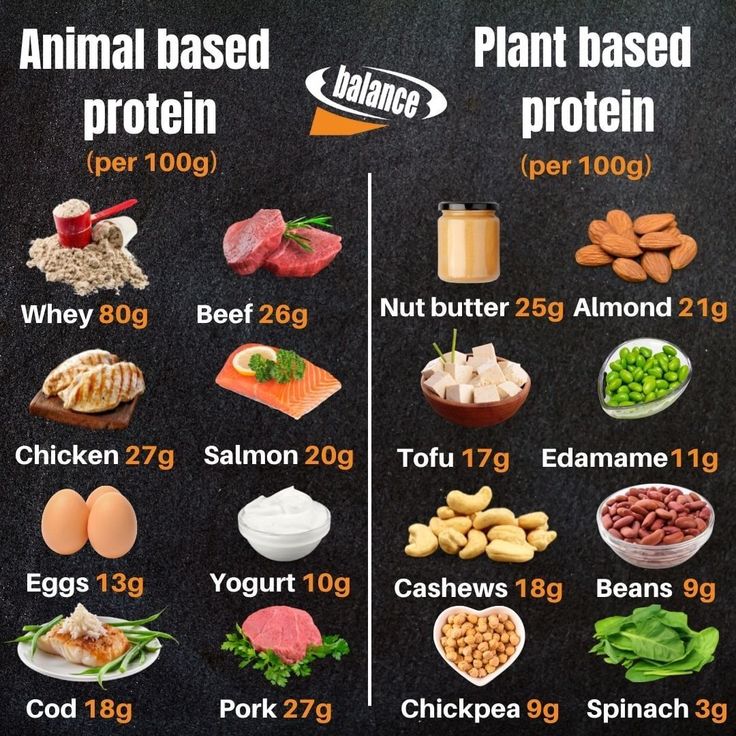
Comparing the yields and profiles of plant vs animal proteins. Source: ifitguide

The Best Animal-Based High Protein Foods

When your goal is to consume highly bioavailable, complete amino acid profiles, animal-sourced items are incredibly efficient. Below is a deep dive into the top tier of animal-derived high protein foods that support muscle preservation, fat loss, and cellular repair.

chicken breast

1. Chicken Breast (Lean Poultry Precision)

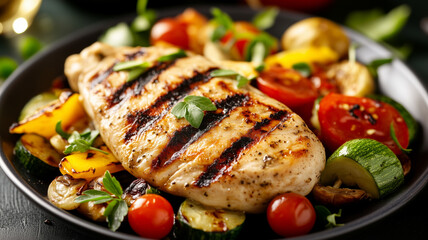
Skinless chicken breast remains the undisputed benchmark for bodybuilders and fitness enthusiasts worldwide. Its main advantage is its extreme macro-efficiency. Because it contains virtually no dietary fats or carbohydrates, almost every single calorie derived from chicken breast comes directly from protein. A standard 100-gram serving offers roughly 31 to 32 grams of pure protein at just 165 calories. It is rich in niacin (Vitamin B3) and selenium, which assist in converting food into clean, usable cellular energy. To get the best results, avoid heavy oil-frying and stick to baking, grilling, or air-frying to keep the overall calorie count low.
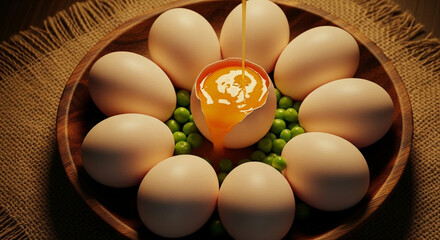
whole eggs (the micronutrient dense bioavailability king)

2. Whole Eggs (The Micronutrient-Dense Bioavailability King)

Often referred to by dietitians as the absolute gold standard of protein quality, whole eggs possess a biological value score of 100—meaning your body absorbs and retains the protein better than almost any other food on earth. One large whole egg contains approximately 6 grams of protein. While many people discard the yolk to save calories, eating the yolk is where you find the majority of the micronutrients. Egg yolks are packed with essential fatty acids, vitamins A, D, E, and K, as well as choline, which plays a massive role in healthy brain development and cognitive performance. If you are tracking strict macronutrients on ifitguide.in, mixing two whole eggs with three egg whites gives you an excellent balance of heavy micronutrients and highly dense, lean volume.
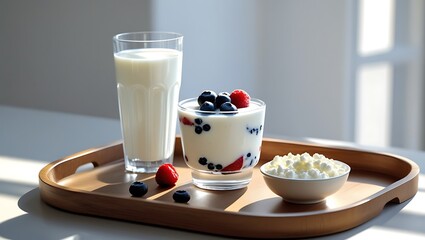
greek yogurt and cottage cheese

3. Greek Yogurt and Cottage Cheese (Slow-Digesting Dairy Powerhouses)

Strained dairy items are secret weapons for keeping your daily hunger levels completely under control. Traditional Greek yogurt undergoes a rigorous straining process that removes the watery whey liquid, resulting in a thick, concentrated yogurt that contains double the protein density of regular yogurt. A single cup of plain Greek yogurt can easily deliver 15 to 20 grams of protein. Similarly, low-fat cottage cheese is a phenomenal addition to any meal prep. It is incredibly rich in casein protein, which digests slowly over several hours. This sustained release makes it one of the absolute best protein rich foods to consume right before bed, as it provides a steady, overnight trickle of crucial amino acids directly to your muscles while you sleep.
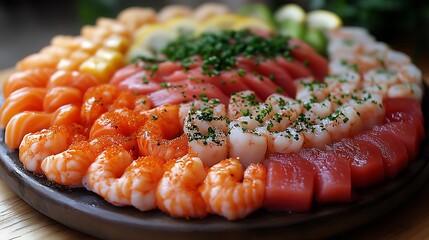
seafood and fatty fish (salmon, tuna, and prawns)

4. Seafood and Fatty Fish (Salmon, Tuna, and Prawns)

Seafood is uniquely valuable because it delivers powerful cardiovascular benefits alongside its massive protein content. Lean fish options like wild-caught yellowfin tuna or prawns offer pure, low-calorie protein streams. A single can of tuna in water packs up to 25 to 30 grams of protein with less than 2 grams of fat. On the other flip of the coin, fatty fish like salmon or Atlantic mackerel offer an incredibly rich supply of omega-3 fatty acids (specifically EPA and DHA). These essential healthy fats are proven to lower systemic joint inflammation, improve cholesterol levels, and accelerate overall athletic recovery time.
Top Plant-Based Protein Rich Foods

Achieving an elite fitness level or hitting strict macronutrient targets does not require an animal-heavy diet. Plant-based protein rich foods offer a dual benefit: they provide clean building blocks for muscle repair while supplying heavy doses of dietary fiber that optimize gut biome health.

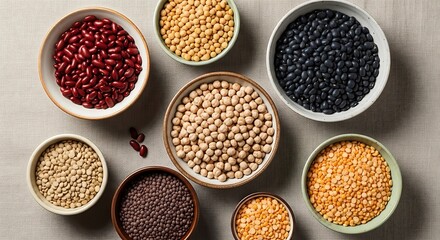
lentils, chickpeas, and pulses

5. Lentils, Chickpeas, and Pulses (The Complex-Carb Foundations)

For anyone following a vegetarian or vegan lifestyle, legumes should form the absolute backbone of your nutritional tracking. Lentils are incredibly nutrient-dense, yielding roughly 18 grams of protein per cooked cup. In addition to being great high protein foods, pulses are naturally loaded with soluble fiber. This specific type of fiber delays gastric emptying, preventing blood sugar spikes and crashes, which in turn halts unexpected cravings throughout your workday. They are also packed with iron, potassium, and magnesium, making them a crucial resource for maintaining steady cellular energy levels without crashing.
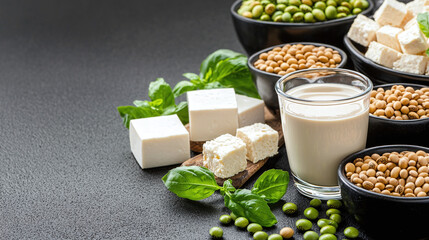
tofu, tempeh, and edamame (the complete soy proteins)

6. Tofu, Tempeh, and Edamame (The Complete Soy Proteins)

Soy-derived foods are among the very few plant-based items that naturally contain all nine essential amino acids, granting them the status of a complete protein. Tofu is highly versatile, acting like a blank culinary canvas that completely absorbs whatever spices, marinades, or herbs you pair it with. If you prefer a less processed option, tempeh is a traditional Indonesian soy cake made from fermented whole soybeans. Because it is fermented, tempeh is exceptionally easy on your digestive tract and contains an even higher concentration of protein and dietary fiber than tofu. Including these clean, soy-based items in your weekly rotation provides a seamless way to hitting your macros without relying on meats.
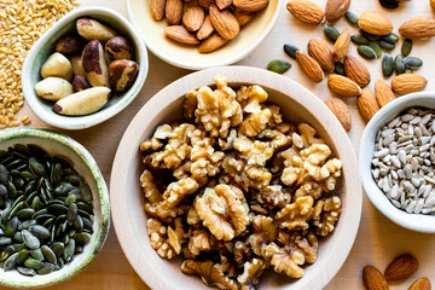
nuts, seeds, and pseudo grains

7. Nuts, Seeds, and Pseudo-grains (Ancient Performance Fuel)

When you need a quick, no-cook alternative to keep your energy high, look no further than nuts, seeds, and ancient pseudograins like quinoa. Quinoa is highly unique because it cooks like a grain but functions as a complete protein seed, delivering roughly 8 grams of protein per cup alongside a healthy dose of complex carbohydrates. To maximize your snacking structure, turn to raw almonds, pumpkin seeds, and hemp hearts. Just two tablespoons of pumpkin seeds give you roughly 7 to 9 grams of plant protein, alongside a heavy hit of zinc and magnesium—two critical minerals that regulate sleep patterns and optimize natural hormone production across your entire body.
Advanced Strategies for Protein Optimization

Once you know which protein rich foods to buy, the next step is maximizing how your body uses them.

Modern nutritional research highlights that the timing of your protein intake is almost as important as the total amount you consume.

Instead of backloading your day by eating a massive dinner, aim to distribute your high protein foods evenly across all your meals.

Eating 25 to 30 grams of protein during breakfast, lunch, and dinner keeps your muscle protein synthesis steady and prevents metabolic slumps.

Furthermore, don’t overlook the power of combining your sources.

Combining distinct protein rich foods—like mixing a classic plant source with a high-quality animal source—creates a diverse amino acid pool.

This variety supports gut health, immune function, and cellular repair.

It’s all about building sustainable, daily habits that allow these dense high protein foods to work efficiently for your long-term wellness.

What the Science Says About Protein Intake

Clinical research tracked by the Harvard School of Public Health shows that prioritizing high-quality sources over processed options dramatically improves long-term metabolic health.

Looking at exact data from Johns Hopkins Medicine reveals that tracking macro distributions across whole foods ensures you hit baseline targets without overconsuming saturated fats.

For individuals following a vegan or vegetarian lifestyle, data from the British Nutrition Foundation confirms that combining diverse plant profiles provides an optimal amino acid balance that rivals animal sources.

To make this practical, the educational frameworks provided on Nutrition.gov emphasize building meals intentionally around whole ingredients.

The immediate feedback loop is evident in your daily appetite control. Ongoing research reviewed by WebMD indicates that macronutrient density alters satiety hormones, drastically lowering muscle-wasting hunger pangs.

Once consumed, the biological breakdown is highly systematic. Clinical data from the Better Health Channel notes that free-form amino acids are immediately routed toward structural cellular recovery and muscle tissue synthesis.

Budget constraints also do not have to limit your fitness goals. Cost-conscious analysis by GoodRx highlights that affordable staples like eggs, canned fish, and legumes provide exceptional nutritional returns per dollar spent.

Selecting these lean items over marbled, fatty cuts yields cardiovascular benefits, a point heavily supported by the American Heart Association in their heart-healthy dietary patterns.

Ultimately, long-term cellular vitality relies on efficient absorption. Extensive metabolic trials archived by the National Institutes of Health (NIH) prove that regular intake prevents age-related muscle decline, while continuous research at the Mayo Clinic underscores that a balanced, high-protein lifestyle forms the backbone of a resilient, functioning metabolism.

Frequently Asked Questions?
Q1: What are the absolute best protein rich foods for rapid weight loss?

The top protein rich foods for losing weight are those that offer a high protein-to-calorie ratio. Lean options like skinless chicken breast, egg whites, wild-caught tuna, and plain non-fat Greek yogurt are ideal because they trigger a high thermic effect. This means your body naturally burns more calories just digesting these specific high protein foods than it does processing fats or carbs, keeping you full and firing up your metabolism.

Q2: Can you easily hit your daily muscle-building targets using only plant-based high protein foods?

Yes, you absolutely can build muscle efficiently using plant-based options. While animal products are complete proteins, you can easily achieve the same muscle-building results by pairing varied plant-based protein rich foods throughout the day. Combining lentils, chickpeas, tofu, and quinoa ensures your body receives all nine essential amino acids. Integrating these high protein foods correctly provides the perfect foundation for muscle repair and hypertrophy.

Q3: Are there any convenient, grab-and-go protein rich foods that require zero cooking?

When you are short on time, there are plenty of no-cook high protein foods you can rely on. Low-fat cottage cheese, pre-boiled eggs, canned tuna, and pumpkin seeds make incredible snacks. Keeping these shelf-stable or ready-to-eat protein rich foods in your kitchen prevents you from reaching for processed snacks, ensuring you hit your macro goals even on your busiest days.

Q4: How many daily grams of high protein foods do active adults actually need?

While the general baseline recommendation starts at 0.8 grams per kilogram of body weight, active adults aiming for fitness performance or body recomposition require a more optimized intake. Modern guidelines suggest aiming for 1.2 to 2.2 grams of protein per kilogram of body weight. Filling your plate with nutrient-dense protein rich foods at every meal makes hitting this optimal range incredibly straightforward without needing to rely entirely on processed supplements.

Conclusion:

Elevating your daily nutrition doesn’t require a radical, restrictive overhaul of your lifestyle. By intentionally building your meals around whole, nutrient-dense protein rich foods, you give your body the exact tools it needs to optimize metabolism, retain lean muscle, and suppress intense cravings. 

From lean animal proteins like chicken and eggs to plant-based powerhouses like lentils and tofu, the options are incredibly diverse and highly adaptable to your personal taste.

Take it one meal at a time. Swap out a low-nutrient snack for one of these verified high protein foods, track how your energy levels improve, and stay consistent.

If you want to take the guesswork out of your fitness journey and map out a precise blueprint tailored to your exact biological needs, head over to ifitguide.in to calculate your custom macronutrient splits and access expert dietary roadmaps today.

Leave a Comment

Your email address will not be published. Required fields are marked *