
introduction
Stubborn belly fat affects millions of people who want to slim their waistline without crash diets or expensive procedures. This guide shares 10 effective ways to reduce belly fat naturally for anyone ready to make realistic changes that actually work.
Following the 10 Effective Ways to Reduce Belly Fat Naturally can help beginners improve overall fitness, body strength, metabolism, and healthy lifestyle habits without extreme dieting or expensive treatments. Many people struggle with stubborn belly fat because of unhealthy food choices, stress, poor sleep quality, dehydration, and lack of regular physical activity. These 10 Effective Ways to Reduce Belly Fat Naturally focus on sustainable fitness routines, balanced nutrition, hydration, home workouts, and proper recovery methods that support long-term wellness naturally.
At iFitGuide.in, we believe consistency is one of the most important factors in achieving successful fitness results. The 10 Effective Ways to Reduce Belly Fat Naturally include healthy eating habits, cardio workouts, core exercises, stress management, proper sleep, and active daily routines that help improve fat burning and body performance. Beginners can follow the 10 Effective Ways to Reduce Belly Fat Naturally from home using simple exercises like planks, squats, jumping jacks, stretching, and walking routines.
Many health experts recommend combining regular workouts with balanced nutrition for better results. The 10 Effective Ways to Reduce Belly Fat Naturally also support improved digestion, reduced bloating, increased energy levels, and better confidence through healthy daily habits. By following the 10 Effective Ways to Reduce Belly Fat Naturally consistently, individuals can build stronger fitness routines and maintain a healthier lifestyle naturally with guidance from iFitGuide.in.
You’ll discover how to optimize your diet for fat burning and create exercise routines that target your core. We’ll also cover simple lifestyle adjustments like managing stress and staying hydrated that can make a real difference in how your body stores fat around your midsection.
These proven strategies focus on sustainable habits you can stick with long-term, not quick fixes that leave you frustrated later. Visit our Nutrition Tips page on iFitGuide.in to learn healthy eating habits, beginner diet plans, and fitness nutrition guidance for better results.
1. Optimize Your Diet for Fat Burning
Cut Refined Sugars and Processed Foods
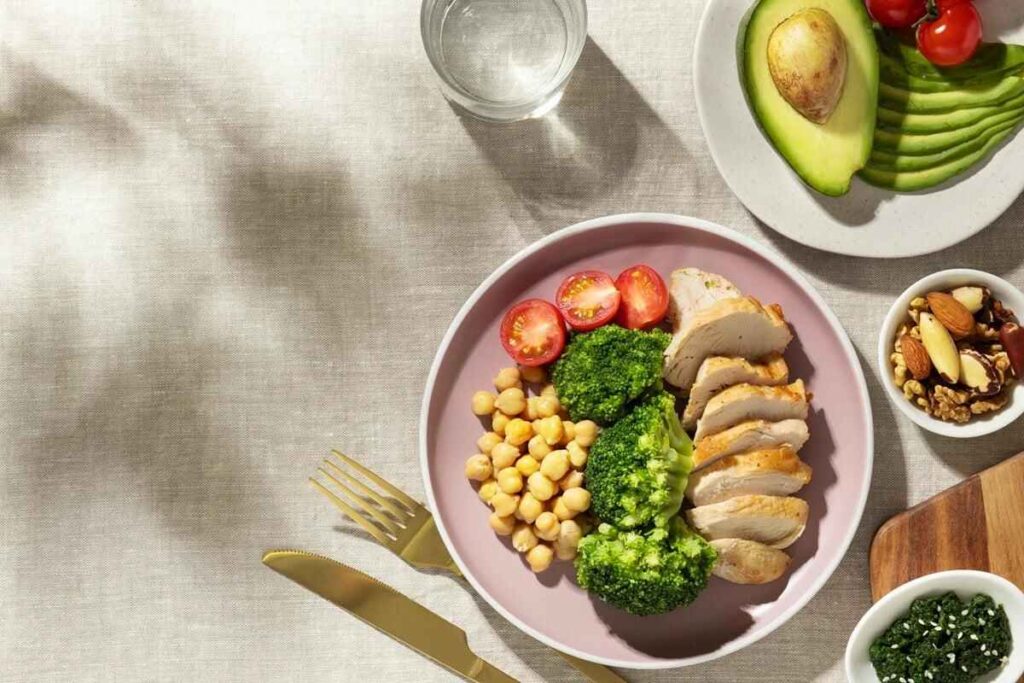
Your body stores excess sugar as fat, especially around the belly area. When you eat refined sugars and processed foods, your blood sugar spikes rapidly, triggering insulin release that promotes fat storage. Swap out sodas, candies, white bread, and packaged snacks for whole food alternatives. Instead of reaching for a cookie, grab an apple with almond butter. Replace sugary cereals with oatmeal topped with berries. Read ingredient labels carefully – sugar hides under names like high fructose corn syrup, dextrose, and maltodextrin.
Processed foods are loaded with preservatives, artificial flavors, and hidden sugars that disrupt your metabolism. These foods are designed to be addictive, making you crave more while providing little nutritional value. Cooking at home gives you complete control over what goes into your meals, helping you avoid these metabolism-disrupting ingredients.
Increase Lean Protein Intake
Protein requires more energy to digest than carbs or fats, boosting your metabolic rate by up to 30% for several hours after eating. This process, called the thermic effect of food, helps you burn more calories throughout the day. Aim for 0.8-1 gram of protein per pound of body weight daily.
Best protein sources for belly fat reduction:
- Chicken breast and lean turkey
- Fish like salmon, tuna, and cod
- Eggs (whole eggs are fine)
- Greek yogurt and cottage cheese
- Legumes and quinoa
- Lean cuts of beef and pork
Protein also helps preserve muscle mass during weight loss, keeping your metabolism elevated. Include protein at every meal to maintain steady blood sugar levels and reduce cravings for unhealthy snacks.
Add More Fiber-Rich Vegetables
Fiber fills you up without adding calories, naturally reducing your overall food intake. Soluble fiber specifically targets belly fat by slowing digestion and keeping you satisfied longer. It also feeds beneficial gut bacteria that play a crucial role in weight management.
Top fiber-rich vegetables for belly fat loss:
| Vegetable | Fiber per Cup | Additional Benefits |
|---|---|---|
| Brussels sprouts | 4g | High in vitamin K |
| Broccoli | 5g | Rich in vitamin C |
| Artichokes | 10g | Supports liver function |
| Spinach | 7g | Packed with iron |
| Cauliflower | 3g | Low in calories |
Load half your plate with non-starchy vegetables at each meal. Raw vegetables provide maximum fiber content, but steamed, roasted, or sautéed options work well too. Add vegetables to smoothies, soups, and stir-fries to boost your daily intake effortlessly.
Control Portion Sizes Effectively
Even healthy foods can contribute to weight gain when eaten in large quantities. Your stomach is roughly the size of your fist, so portions should reflect this reality. Use smaller plates and bowls to trick your brain into feeling satisfied with less food.
Practical portion control strategies:
- Use your hand as a measuring guide: palm-sized protein, fist-sized vegetables, thumb-sized fats
- Eat slowly and put your fork down between bites
- Stop eating when you’re 80% full
- Pre-portion snacks into small containers
- Drink water before meals to reduce appetite
Restaurant portions are often 2-3 times larger than necessary. Ask for a to-go box immediately and save half for tomorrow’s lunch. This simple habit can cut hundreds of calories from your daily intake while providing an extra meal.
2. Incorporate Targeted Abdominal Exercises

Perform planks and core strengthening moves
Planks are the gold standard for building core strength and reducing belly fat. Start with basic planks, holding the position for 30 seconds and gradually working up to 2-3 minutes. Your body should form a straight line from head to heels, engaging your entire core throughout the movement.
Mix up your plank routine with variations like side planks, which target the obliques and help create that coveted hourglass shape. Plank-ups add dynamic movement, switching between forearm and full planks to increase intensity. For an extra challenge, try mountain climbers from a plank position – they combine core strengthening with cardio benefits.
Dead bugs and bird dogs are excellent for building deep core stability. These exercises teach your core muscles to work together while maintaining proper spinal alignment. Russian twists with or without weights specifically target the obliques and help tighten the sides of your waist.
Bicycle crunches engage multiple muscle groups simultaneously and burn more calories than traditional crunches. Focus on controlled movements rather than speed to maximize effectiveness. Leg raises and reverse crunches target the lower abs, an area many people struggle to tone.
Add high-intensity interval training
HIIT workouts create an afterburn effect called EPOC (excess post-exercise oxygen consumption), meaning your body continues burning calories for hours after your workout ends. This metabolic boost is particularly effective for reducing stubborn belly fat.
Incorporate exercises like burpees, jump squats, and high knees into 30-second intervals followed by 15-30 seconds of rest. This pattern keeps your heart rate elevated while giving your muscles brief recovery periods. Tabata-style workouts (20 seconds on, 10 seconds off for 4 minutes) are incredibly efficient for busy schedules.
Kettlebell swings combine cardiovascular exercise with core strengthening. The explosive hip movement engages your entire core while burning significant calories. Battle ropes provide another excellent option, working your abs while you slam, wave, or spiral the ropes.
Sprint intervals on a treadmill, bike, or outdoors create powerful fat-burning sessions. Alternate between all-out effort for 30 seconds and moderate recovery for 60-90 seconds. Start with 10-15 minutes total and gradually increase duration as your fitness improves.
Include full-body compound movements
Compound exercises work multiple muscle groups simultaneously, creating greater calorie burn and metabolic demand than isolation exercises. Squats engage your core for stability while working your legs and glutes. Add overhead presses or jumps to increase the challenge.
Deadlifts are phenomenal for core strengthening while building overall body strength. The movement requires your abs to stabilize your spine throughout the lift. Start with lighter weights and focus on proper form before increasing load.
Turkish get-ups challenge your entire body while demanding serious core stability. This complex movement involves transitioning from lying down to standing while holding a weight overhead. It builds functional strength and coordination while torching calories.
Thrusters combine squats with overhead presses, creating a full-body exercise that elevates heart rate and engages the core throughout. Medicine ball slams provide explosive movement that targets your abs while releasing stress and burning calories.
Pull-ups and chin-ups require significant core engagement to maintain proper form. Even if you can’t perform full pull-ups yet, hanging from a bar and practicing knee raises builds core strength while working toward the full movement.
3. Manage Stress Levels to Prevent Fat Storage

Practice Daily Meditation or Mindfulness
Chronic stress floods your body with cortisol, a hormone that directly promotes belly fat storage. Your body literally holds onto fat around your midsection when it thinks you’re under threat. Regular meditation breaks this cycle by activating your parasympathetic nervous system, which tells your body it’s safe to burn fat instead of storing it.
Start with just five minutes each morning. Sit comfortably, close your eyes, and focus on your breathing. When thoughts pop up, gently bring your attention back to your breath. Apps like Headspace or Calm can guide you through the process if you’re new to meditation.
Mindfulness throughout the day works just as well. Pay attention to what you’re eating, how your body feels during exercise, or simply notice your surroundings during walks. This awareness reduces stress eating and helps you make better food choices naturally.
Get Adequate Quality Sleep
Poor sleep wreaks havoc on hormones that control hunger and fat storage. When you don’t get enough quality rest, ghrelin (your hunger hormone) spikes while leptin (which signals fullness) drops. This combination makes you crave high-calorie foods and store more belly fat.
Aim for 7-9 hours of sleep nightly. Create a bedtime routine that signals your body it’s time to wind down. Keep your bedroom cool, dark, and quiet. Put devices away at least an hour before bed since blue light disrupts melatonin production.
Your sleep schedule matters as much as duration. Going to bed and waking up at consistent times helps regulate your circadian rhythm, which controls cortisol release. When this rhythm gets disrupted, cortisol stays elevated longer, promoting fat storage around your middle.
Limit Cortisol-Triggering Activities
Some daily habits spike cortisol without you realizing it. Excessive caffeine intake, especially after 2 PM, keeps your stress response active. Limit coffee to 1-2 cups in the morning and switch to herbal tea later.
Constant news consumption and social media scrolling trigger stress responses. Set specific times for checking news and social platforms instead of mindlessly scrolling throughout the day. Your nervous system needs breaks from information overload.
Overexercising also raises cortisol levels. While exercise is beneficial, too much high-intensity training without adequate recovery stresses your system. Balance intense workouts with gentler activities like walking, yoga, or swimming.
Skip the drama-filled TV shows and violent movies before bed. Your brain processes these as real threats, keeping cortisol elevated when it should be dropping for sleep.
Develop Healthy Coping Mechanisms
Replace stress-eating with activities that actually reduce cortisol. Deep breathing exercises work immediately – take six slow, deep breaths whenever you feel overwhelmed. This simple technique activates your vagus nerve and calms your stress response.
Physical movement helps burn off stress hormones. Take a quick walk, do some stretching, or even dance to your favorite song. Movement changes your physiology and shifts your mental state quickly.
Creative outlets provide excellent stress relief. Drawing, writing, gardening, or playing music engages different parts of your brain and naturally reduces cortisol. Find something you enjoy and make time for it regularly.
Build a support network of friends and family who help you process stress in healthy ways. Talking through problems prevents them from building up and creating chronic stress. Sometimes just venting to someone who listens makes a huge difference in your stress levels.
4. Stay Properly Hydrated Throughout the Day

Drink Water Before Meals
Starting each meal with a glass of water creates a powerful foundation for belly fat reduction. When you drink water 15-30 minutes before eating, you naturally feel fuller and end up consuming fewer calories. This simple habit can reduce your overall caloric intake by 75-90 calories per meal, which adds up to significant weight loss over time.
Water also kickstarts your digestive system, helping your body break down food more efficiently. This improved digestion means fewer nutrients get stored as fat, particularly around your midsection. The timing matters here – drinking water right before you eat dilutes digestive enzymes, but the 15-30 minute window gives your stomach time to prepare while still providing the appetite-suppressing benefits.
Research shows people who drink water before meals lose 44% more weight compared to those who don’t follow this practice. Your body sometimes confuses thirst with hunger, so that pre-meal hydration ensures you’re eating because you need nutrients, not because you’re actually dehydrated.
Replace Sugary Drinks with Water
Sugary beverages are among the biggest culprits behind stubborn belly fat. A single can of soda contains about 150 calories and 39 grams of sugar, which your body quickly converts to fat storage around your waist. Diet sodas aren’t much better – artificial sweeteners can disrupt your gut bacteria and trigger cravings for more sweet foods.
Making the switch to water eliminates these empty calories entirely. If you typically drink two sodas daily, replacing them with water saves you roughly 300 calories and 78 grams of sugar every day. Over a month, that’s 9,000 calories – enough to lose nearly three pounds just from this change alone.
The transition doesn’t have to be sudden or difficult. Start by replacing one sugary drink per day with water, then gradually increase. Sparkling water with a splash of natural fruit juice can satisfy your craving for something fizzy while keeping sugar content minimal.
| Drink | Calories | Sugar (g) | Belly Fat Impact |
|---|---|---|---|
| Regular Soda | 150 | 39 | High |
| Fruit Juice | 110 | 26 | Moderate |
| Sports Drink | 80 | 21 | Moderate |
| Water | 0 | 0 | None |
Add Natural Detox Ingredients Like Lemon
Plain water works great, but adding natural detox ingredients supercharges its belly fat-burning potential. Lemon water stands out as the most effective combination – the citric acid helps break down fat cells while vitamin C supports your metabolism. Drinking lemon water first thing in the morning jumpstarts your digestive system and helps flush out toxins that can contribute to bloating.
Other powerful additions include cucumber slices, which have natural diuretic properties that reduce water retention, and mint leaves, which aid digestion and can help reduce belly bloating after meals. Ginger root adds a metabolic boost – studies show it can increase calorie burning by up to 5% and specifically targets abdominal fat.
Apple cider vinegar deserves special mention here. Adding one tablespoon to a large glass of water before meals can help regulate blood sugar levels and reduce fat storage. The acetic acid in vinegar has been shown to specifically target belly fat in multiple studies.
Green tea bags steeped in cold water overnight create a refreshing drink packed with catechins – compounds that directly target abdominal fat cells. This combination gives you steady energy without the crash that comes from caffeinated sodas or energy drinks.
Prepare these detox waters in large batches and keep them refrigerated. Having flavorful, healthy options ready makes it easier to avoid reaching for sugary alternatives when you’re thirsty.
5. Boost Your Metabolism Naturally
Eat Smaller Frequent Meals
Your metabolism works like a campfire – keep feeding it regularly and it burns bright all day long. When you eat every 3-4 hours instead of cramming everything into three large meals, your body stays in active digestion mode. This constant work keeps your metabolic engine running at higher speeds.
Breaking your daily calories into 5-6 smaller portions prevents your metabolism from slowing down during long gaps between meals. Your body interprets extended periods without food as potential famine, automatically downshifting to conservation mode. Smaller meals also prevent massive insulin spikes that can trigger fat storage, especially around your midsection.
Each mini-meal should include lean protein, complex carbohydrates, and healthy fats to maximize the thermic effect – the energy your body burns just to digest food. Protein has the highest thermic effect, burning about 30% of its calories during digestion.
Include Metabolism-Boosting Spices
Certain spices act like natural metabolism accelerators, turning your kitchen into a fat-burning pharmacy. Cayenne pepper contains capsaicin, which can increase your metabolic rate by up to 25% for several hours after eating. Even a small pinch added to meals creates this thermogenic effect.
Cinnamon helps regulate blood sugar levels, preventing insulin crashes that slow metabolism. Just half a teaspoon daily can improve insulin sensitivity and help your body burn fat more efficiently. Ginger root stimulates circulation and raises body temperature, forcing your system to work harder to maintain normal temperature.
Turmeric contains curcumin, which not only reduces inflammation but also activates proteins that help break down fat cells. Black pepper enhances nutrient absorption and contains piperine, a compound that can increase metabolic rate by up to 8%.
| Spice | Metabolic Benefit | Daily Amount |
|---|---|---|
| Cayenne | Increases thermogenesis 25% | 1/4 teaspoon |
| Cinnamon | Stabilizes blood sugar | 1/2 teaspoon |
| Ginger | Boosts circulation | 1 teaspoon fresh |
| Turmeric | Activates fat-burning proteins | 1/2 teaspoon |
Drink Green Tea Regularly
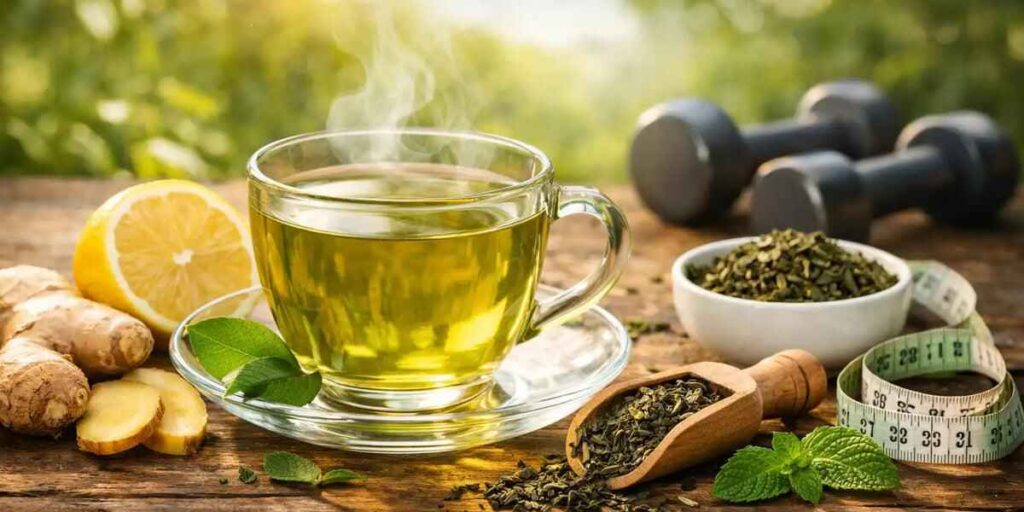
Green tea contains a powerful combination of caffeine and catechins, particularly EGCG (epigallocatechin gallate), that work together to rev up your metabolism. Studies show drinking 2-3 cups daily can increase fat oxidation by 17% and boost overall metabolic rate by 4-5%.
The catechins in green tea specifically target abdominal fat by inhibiting enzymes that break down norepinephrine, a hormone that signals fat cells to release their contents. This creates a double benefit – increased fat burning and preferential targeting of stubborn belly fat.
White tea offers even higher concentrations of catechins, while oolong tea provides a middle ground with additional fat-blocking properties. Matcha powder gives you the most concentrated dose since you consume the entire leaf.
Timing matters for maximum benefit. Drinking green tea between meals optimizes fat burning, while having it before exercise can increase fat oxidation during your workout by up to 17%.
Maintain Consistent Meal Timing
Your body thrives on routine, and your metabolism responds best to predictable eating patterns. When you eat at roughly the same times each day, your digestive system prepares by releasing enzymes and hormones at optimal levels. This preparation phase actually burns calories and keeps your metabolic rate steady.
Irregular eating patterns confuse your internal clock, leading to metabolic slowdown and increased fat storage. Your body becomes uncertain when the next meal will arrive, triggering conservation responses that lower your resting metabolic rate.
Consistency also helps regulate hunger hormones like ghrelin and leptin. When these hormones function properly, you feel satisfied with appropriate portions and avoid the metabolic damage that comes from overeating or undereating.
Create a meal schedule that fits your lifestyle and stick to it within a 30-minute window. Whether you prefer early breakfast or intermittent fasting, the key is maintaining whatever pattern you choose. Your metabolism will adapt and optimize around your consistent schedule, burning calories more efficiently throughout the day.
6. Reduce Bloating and Water Retention

Limit Sodium Intake
High sodium consumption causes your body to hold onto extra water, leading to that uncomfortable puffy feeling around your midsection. When you eat too much salt, your kidneys struggle to balance fluid levels, resulting in water retention that can make your belly appear larger than it actually is.
The average person consumes nearly double the recommended daily sodium limit of 2,300 milligrams. Hidden sodium lurks in processed foods, restaurant meals, and even seemingly healthy options like bread, cheese, and canned vegetables. Reading nutrition labels becomes essential for identifying these sodium bombs.
Replace table salt with herbs and spices like garlic powder, oregano, basil, and black pepper to enhance flavor without the bloat. Fresh lemon juice, vinegar, and citrus zest add brightness to meals while keeping sodium levels in check. When cooking at home, you control exactly how much salt goes into your food, making it easier to stay within healthy limits.
Choose fresh or frozen vegetables over canned varieties, which often contain added sodium for preservation. If you must use canned products, rinse them thoroughly under cold water to remove excess salt. Opt for “no salt added” or “low sodium” versions whenever possible.
Avoid Gas-Producing Foods
Certain foods naturally create gas during digestion, causing your stomach to expand and creating the appearance of increased belly fat. While these foods are often nutritious, timing and portion control can help minimize their bloating effects.
Common culprits include beans, lentils, broccoli, cabbage, onions, and carbonated beverages. These foods contain complex carbohydrates and fiber that gut bacteria ferment, producing gas as a byproduct. Cruciferous vegetables like cauliflower and Brussels sprouts, while packed with vitamins, can be particularly problematic for sensitive digestive systems.
Start by introducing high-fiber foods gradually rather than making dramatic dietary changes overnight. Your digestive system needs time to adapt to increased fiber intake. Soaking beans overnight and discarding the soaking water before cooking can reduce their gas-producing potential.
Chewing food slowly and thoroughly aids digestion and reduces the amount of air you swallow, which can contribute to bloating. Eating smaller, more frequent meals instead of large portions gives your digestive system a manageable workload.
Consider keeping a food diary to identify your personal trigger foods. Everyone’s digestive system responds differently, so what causes bloating for one person might not affect another.
Take Probiotics for Gut Health
A balanced gut microbiome plays a crucial role in reducing bloating and maintaining a flatter stomach appearance. Beneficial bacteria in your intestines help break down food efficiently and prevent the overgrowth of harmful microorganisms that can cause digestive issues.
Probiotic-rich foods like yogurt, kefir, sauerkraut, kimchi, and kombucha introduce helpful bacteria into your digestive system. Look for yogurt containing live active cultures, specifically Lactobacillus and Bifidobacterium strains, which have been shown to support digestive health and reduce bloating.
Fermented vegetables provide both probiotics and fiber, creating an ideal environment for beneficial bacteria to thrive. Start with small portions of fermented foods and gradually increase intake to avoid initial digestive discomfort as your gut adjusts to the new bacterial balance.
Probiotic supplements can be helpful, especially if you don’t consume fermented foods regularly. Choose supplements with multiple strains and at least 10 billion CFUs (colony-forming units) for optimal effectiveness. Store probiotics properly according to package instructions to maintain their potency.
Prebiotic foods like garlic, onions, asparagus, and bananas feed the good bacteria already in your gut, helping them multiply and strengthen. Combining prebiotics with probiotics creates a synergistic effect that maximizes digestive benefits and reduces uncomfortable bloating that masks your natural waistline.
7. Create a Sustainable Exercise Routine

Combine Cardio with Strength Training
The most effective approach to burning belly fat involves pairing cardiovascular exercise with resistance training. Cardio exercises like running, cycling, or swimming create the caloric deficit needed for fat loss, while strength training builds lean muscle mass that boosts your resting metabolic rate. This combination delivers better results than doing either type of exercise alone.
Aim for 2-3 strength training sessions per week, focusing on compound movements like squats, deadlifts, and push-ups that engage multiple muscle groups. These exercises burn more calories and create an “afterburn effect” where your body continues burning calories hours after your workout. Complement this with 150 minutes of moderate-intensity cardio or 75 minutes of vigorous cardio weekly, as recommended by health guidelines.
High-Intensity Interval Training (HIIT) offers an excellent way to combine both elements. Alternate between short bursts of intense activity and recovery periods to maximize fat burning while preserving muscle mass.
Find Activities You Enjoy
Exercise adherence dramatically improves when you genuinely enjoy your chosen activities. If you hate running, don’t force yourself to run – explore dancing, hiking, swimming, martial arts, or team sports instead. The best exercise routine is one you’ll actually stick to long-term.
Consider your personality and preferences when selecting activities:
- Social butterflies: Group fitness classes, team sports, or workout partners
- Nature lovers: Hiking, outdoor cycling, or beach volleyball
- Competitive types: Sports leagues, fitness challenges, or tracking personal records
- Home bodies: Online workout videos, home gym setups, or bodyweight routines
Variety prevents boredom and works different muscle groups. Rotate between 3-4 different activities throughout the week to keep things fresh and engaging.
Set Realistic Fitness Goals
Setting achievable goals prevents disappointment and maintains motivation. Start with small, specific targets rather than vague aspirations like “get in shape.” Examples of realistic goals include walking 30 minutes daily, completing three strength training sessions weekly, or losing 1-2 pounds per week.
Break larger goals into smaller milestones:
| Timeline | Sample Goals |
|---|---|
| Week 1-2 | Exercise 3 times per week for 20 minutes |
| Week 3-4 | Increase duration to 30 minutes |
| Month 2 | Add one extra workout day |
| Month 3 | Incorporate new exercise types |
Adjust your goals based on your current fitness level, available time, and physical limitations. Someone new to exercise should start with lighter intensity and shorter durations compared to someone returning after a break.
Track Your Progress Consistently
Monitoring your progress provides valuable feedback and maintains motivation during challenging periods. Use multiple metrics beyond just weight, as muscle gain and fat loss can mask progress on the scale.
Effective tracking methods include:
- Body measurements: Waist, hips, and other key areas monthly
- Progress photos: Same lighting, angles, and clothing weekly
- Fitness performance: Reps completed, weights lifted, or distance covered
- Energy levels: Daily ratings of how you feel
- Sleep quality: Hours and perceived rest quality
Popular tracking tools include fitness apps, wearable devices, or simple journals. Choose methods that fit your lifestyle and preferences. The key is consistency – track the same metrics at regular intervals under similar conditions for accurate comparisons.
Regular progress reviews help identify what’s working and what needs adjustment. Celebrate small victories along the way to maintain momentum and build lasting habits.
8. Make Smart Lifestyle Changes

Reduce Alcohol Consumption
Alcohol can seriously sabotage your belly fat reduction efforts. Those weekend cocktails and after-work beers pack more calories than you might realize. A single glass of wine contains about 120-130 calories, while a beer can range from 150-200 calories. What makes alcohol particularly problematic is how your body processes it.
When you drink alcohol, your liver prioritizes breaking it down over burning fat. This means your metabolism essentially hits pause on fat burning until all the alcohol is processed. Your body also tends to store these empty calories as visceral fat around your midsection.
Alcohol disrupts your sleep quality, which affects hormones like cortisol and ghrelin that regulate hunger and fat storage. Poor sleep leads to increased cravings for high-calorie foods the next day. Many people also make poor food choices while drinking, reaching for greasy late-night snacks that add extra calories.
Start by tracking how much you actually drink in a week. You might be surprised. Replace alcoholic drinks with sparkling water with lime, herbal teas, or mocktails. If you do drink, stick to one drink per day for women or two for men, and choose lower-calorie options like vodka soda or light beer.
Quit Smoking to Improve Metabolism
Smoking wreaks havoc on your metabolism and makes losing belly fat much harder. While nicotine might suppress appetite temporarily, smoking actually slows down your metabolic rate over time. The chemicals in cigarettes damage your blood vessels, reducing oxygen flow to your muscles and organs.
This decreased oxygen delivery means your body becomes less efficient at burning calories and fat. Smoking also increases cortisol levels, the stress hormone that promotes belly fat storage. The carbon monoxide from cigarettes replaces oxygen in your blood, making workouts feel harder and less effective.
Many smokers worry about weight gain after quitting, but this is usually temporary. Your metabolism will actually improve once you stop smoking, and you’ll have more energy for physical activity. Your taste and smell return, making healthy foods more appealing.
If you’re ready to quit, talk to your doctor about nicotine replacement therapy or medications that can help. Replace the habit with healthier alternatives like chewing gum, drinking water, or taking short walks. The first few weeks are the hardest, but your body will start recovering quickly.
Take Stairs Instead of Elevators
This simple swap can burn more calories than you think. Climbing stairs engages your largest muscle groups and gets your heart rate up quickly. A 150-pound person burns about 10 calories per minute going up stairs – that’s more than double what you’d burn walking on flat ground.
Taking stairs also works your core muscles, which helps strengthen and tone your abdominal area. The climbing motion engages your glutes, quadriceps, and calves while requiring your core to stabilize your body. This makes it an excellent functional exercise that fits naturally into your day.
Start small if you’re not used to taking stairs. Begin with one or two flights and gradually work up to more. If you work in a tall building, try getting off the elevator a few floors early and walking the rest. Make it a game by counting how many flights you climb each day.
The best part about stair climbing is that it adds up throughout the day. Those short bursts of activity boost your metabolism and keep your body burning calories at a higher rate even after you stop. Plus, you’ll save time waiting for elevators and arrive at your destination feeling more energized.
9. Use Natural Fat-Burning Supplements
Consider Apple Cider Vinegar
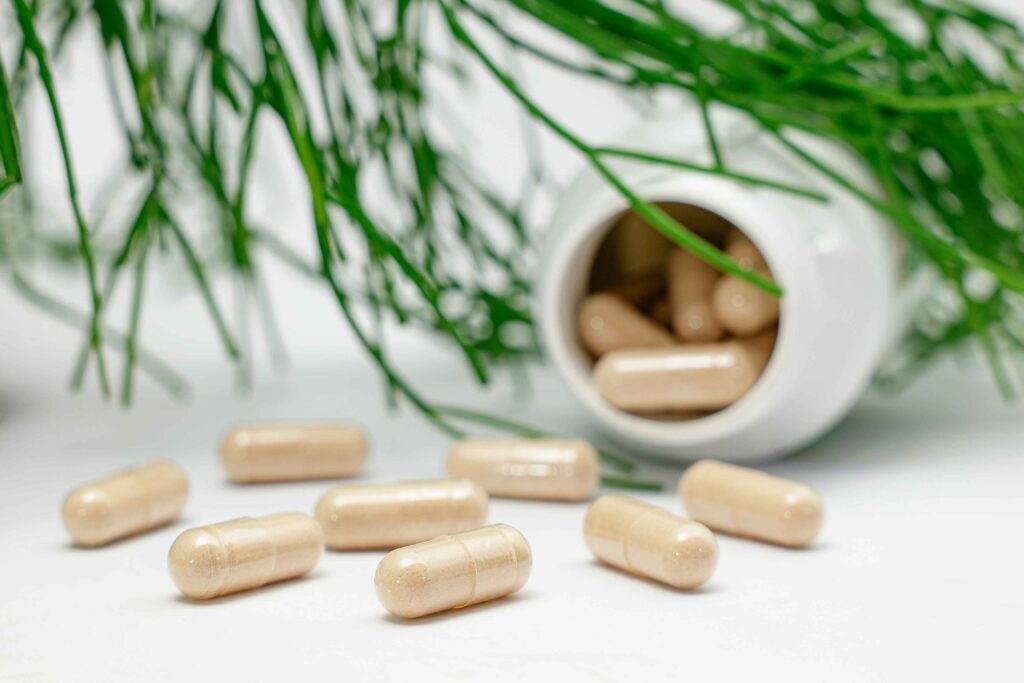
Apple cider vinegar has gained significant attention as a natural fat-burning supplement, and research backs up many of its claims. The acetic acid in apple cider vinegar helps boost metabolism and may reduce fat accumulation, particularly around the midsection. Studies show that consuming 1-2 tablespoons daily can lead to modest but meaningful weight loss over time.
The magic happens when acetic acid enters your system – it helps regulate blood sugar levels, keeping insulin spikes in check. When your insulin remains stable, your body is more likely to burn stored fat instead of storing new fat. This is especially important for belly fat reduction since abdominal fat cells are particularly sensitive to insulin.
Start with one teaspoon diluted in a large glass of water before meals. The acidic nature can be harsh on tooth enamel and stomach lining, so never drink it straight. Work your way up to one tablespoon twice daily if your body tolerates it well. Some people prefer adding it to salad dressings or mixing it into smoothies to mask the strong taste.
Choose organic, unfiltered apple cider vinegar with “the mother” – those stringy bits floating in the bottle contain beneficial enzymes and probiotics. Timing matters too: consuming it 15-30 minutes before meals appears most effective for blood sugar control and appetite suppression.
Add Cinnamon to Your Diet
Cinnamon does more than make your coffee taste amazing – it’s a powerful ally in the fight against belly fat. This warming spice contains compounds that mimic insulin’s effects, helping your muscles absorb glucose more efficiently. When your blood sugar stays steady, your body doesn’t trigger the fat-storage response that leads to belly weight gain.
Ceylon cinnamon is your best bet, as it contains less coumarin than the common cassia variety found in most grocery stores. Coumarin can be problematic in large amounts, so investing in quality Ceylon cinnamon is worth it if you plan to use it regularly.
Adding half a teaspoon daily can make a real difference. Sprinkle it on oatmeal, blend it into smoothies, or mix it with Greek yogurt. Some people swear by cinnamon tea – just steep a cinnamon stick in hot water for 10-15 minutes. The key is consistency rather than large doses.
Beyond blood sugar control, cinnamon has thermogenic properties, meaning it slightly raises your body temperature and forces your metabolism to work harder. This small boost adds up over time, especially when combined with other healthy habits. The spice also helps reduce inflammation, which can contribute to stubborn belly fat that seems impossible to lose.
Try Green Coffee Bean Extract
Green coffee beans are simply regular coffee beans that haven’t been roasted, and they pack a completely different nutritional punch than your morning brew. The star component is chlorogenic acid, which gets largely destroyed during the roasting process. This compound has shown impressive results in clinical studies for weight loss and specifically targeting abdominal fat.
Chlorogenic acid works by slowing the absorption of carbohydrates in your digestive system and improving how your body handles glucose. When your blood sugar doesn’t spike as dramatically after meals, your body is less likely to convert excess glucose into fat. Studies suggest that people taking green coffee bean extract can lose 3-5 pounds more than those following the same diet and exercise routine without supplementation.
The typical effective dose ranges from 400-800mg daily, usually split between two doses taken 30 minutes before your largest meals. Look for supplements standardized to contain at least 45% chlorogenic acids. Some products combine green coffee bean extract with other natural fat burners like green tea extract or garcinia cambogia for enhanced effects.
Quality matters enormously with green coffee bean extract. Cheap products often contain very little actual chlorogenic acid despite what the label claims. Research the brand, read reviews, and consider third-party tested products. Side effects are generally mild but can include jitteriness or digestive upset in sensitive individuals, so start with a lower dose to assess your tolerance.
10. Monitor Progress and Stay Motivated

Take Body Measurements Regularly
Tracking your progress goes beyond stepping on a scale. Weekly body measurements give you a clearer picture of what’s actually happening with your belly fat reduction. Grab a flexible measuring tape and record your waist circumference at the narrowest point, typically just above your belly button. Take measurements first thing in the morning before eating or drinking anything for the most consistent results.
Create a simple tracking system using your phone’s notes app or a dedicated journal. Record measurements weekly on the same day, and don’t panic if the numbers fluctuate slightly – this is completely normal. Your waist measurement is particularly important since it directly reflects visceral fat loss, which is often more significant than what the scale shows.
Focus on How You Feel Not Just Appearance
Numbers tell only part of your story. Pay attention to how your energy levels change throughout the day. Notice if you’re sleeping better, feeling less bloated after meals, or experiencing improved digestion. These non-visual improvements often happen before you see dramatic physical changes.
Keep track of your mood, stamina during workouts, and how your clothes fit. That favorite pair of jeans might feel looser around the waist even when the scale hasn’t budged much. Energy improvements and reduced afternoon crashes are powerful indicators that your metabolism is responding positively to your new habits.
Celebrate Small Victories
Acknowledge every positive change, no matter how minor it seems. Did you choose a healthy snack over processed food? That’s worth celebrating. Completed your workout when you didn’t feel like it? Give yourself credit. These small wins build momentum and reinforce the habits that lead to long-term success.
Set up a reward system that doesn’t involve food. Buy yourself new workout clothes when you hit measurement goals, treat yourself to a massage after a month of consistent exercise, or invest in a kitchen gadget that supports your healthy eating goals.
Adjust Strategies Based on Results
Your body will adapt to routines, so staying flexible with your approach prevents plateaus. If your waist measurements stall for two weeks despite consistent effort, it’s time to shake things up. Maybe increase your workout intensity, try intermittent fasting, or swap some cardio for strength training.
Review your food diary monthly to spot patterns. Are you eating more on weekends? Skipping meals and then overeating later? Use this data to refine your approach rather than abandoning your plan altogether. Small adjustments often yield better results than complete overhauls.
Healthy Lifestyle and Fitness Benefits
The 10 Effective Ways to Reduce Belly Fat Naturally are helpful for improving overall health, body fitness, metabolism, and daily energy levels. Many beginners follow the 10 Effective Ways to Reduce Belly Fat Naturally to improve confidence, reduce body fat, and maintain healthy lifestyle habits naturally. Regular exercise, balanced nutrition, hydration, and proper sleep are important parts of the 10 Effective Ways to Reduce Belly Fat Naturally because they support better digestion, improved calorie burning, and long-term wellness.
Health experts often recommend combining physical activity with proper nutrition for effective results. Also help improve heart health, reduce bloating, support healthy digestion, and encourage active lifestyle habits. Beginners who follow the 10 Effective Ways to Reduce Belly Fat Naturally regularly may notice positive changes in energy levels, body movement, and overall fitness performance within a few weeks.
❓ FAQ questions to include
Q1. What are the 10 Effective Ways to Reduce Belly Fat Naturally?
The 10 Effective Ways to Reduce Belly Fat Naturally include regular exercise, healthy eating, hydration, stress management, proper sleep, reducing sugar intake, improving metabolism, and maintaining a consistent workout routine. These healthy lifestyle habits support long-term fat loss and overall wellness naturally.
Q2. Can home workouts support the 10 Effective Ways to Reduce Belly Fat Naturally?
Yes, home workouts are an important part of the 10 Effective Ways to Reduce Belly Fat Naturally. Exercises like planks, squats, cardio workouts, jumping jacks, and core training help improve calorie burning, body strength, and fitness performance from home.
Q3. Which foods help in the 10 Effective Ways to Reduce Belly Fat Naturally?
Healthy foods such as lean protein, fiber-rich vegetables, fruits, whole grains, and healthy fats support the 10 Effective Ways to Reduce Belly Fat Naturally. Avoiding processed foods, sugary drinks, and excessive junk food also improves weight management and digestion.
Q4. Why is hydration important in the 10 Effective Ways to Reduce Belly Fat Naturally?
Hydration plays an important role in the 10 Effective Ways to Reduce Belly Fat Naturally because water supports metabolism, digestion, energy levels, and reduced bloating. Drinking enough water daily helps the body maintain healthy fat-burning functions naturally.
Q5. How long does it take to see results from the 10 Effective Ways to Reduce Belly Fat Naturally?
The results from the 10 Effective Ways to Reduce Belly Fat Naturally depend on workout consistency, nutrition, sleep quality, and healthy lifestyle habits. Many beginners start noticing improvements in energy, body fitness, and waist size within a few weeks of regular effort.
Conclusion
Getting rid of stubborn belly fat doesn’t have to feel impossible when you have the right approach. By combining smart dietary choices with targeted exercises, managing your stress, staying hydrated, and making simple lifestyle adjustments, you can start seeing real changes in your midsection. The key is finding natural ways to boost your metabolism while reducing bloating and creating habits that actually stick. According to World Health Organization Physical Activity Guidelines, regular physical activity helps improve overall health, weight management, and body fitness naturally.
Remember, sustainable weight loss happens gradually, so don’t get discouraged if you don’t see overnight results. Track your progress, celebrate small wins, and consider adding natural supplements to support your efforts. The most important thing is to pick strategies that fit your lifestyle and build them into routines you can maintain long-term. Start with just a few