
Let’s be completely honest for a moment. Starting a weight-loss journey can feel incredibly overwhelming. You open your phone, scroll through social media, and you’re immediately blasted with conflicting advice. One fitness influencer is telling you to lift heavy weights, another says you need to fast for 16 hours, and someone else claims that running will destroy your knees. It’s exhausting, isn’t it?
Here’s the thing: after spending more than 12 years working as a certified fitness coach and health educator, I can tell you that you don’t need a complicated strategy to change your body. You just need a proven, sustainable approach.
That’s exactly why simple, effective cardio exercises to lose weight remain one of the absolute best tools in your fitness toolkit. When clients come to me feeling stuck, I always look at how they integrate cardio exercises to lose weight into their regular schedules. It is a reliable framework that simply works.
In my years of writing for iFitGuide, I’ve seen beginners make the exact same mistakes over and over again. They go from zero physical activity to trying an intense, soul-crushing 60-minute routine on day one.
By day three, they’re too sore to get out of bed, completely discouraged, and they quit. They pick advanced routines instead of focusing on basic cardio exercises to lose weight. I don’t want that to happen to you. If you utilize the right cardio exercises to lose weight, you can build momentum without hurting your joints.
In this comprehensive guide, we’re going to strip away the confusion. You’ll learn exactly how cardiovascular exercise helps strip away stubborn body fat, how it alters your metabolism, and why it’s so vital for your overall health.
I’m also going to share 15 of the best, most practical movements that you can start doing today, whether you want to work out in a fully equipped gym or you’re looking for the best cardio for weight loss at home. Choosing targeted cardio exercises to lose weight can make a profound difference in your weekly energy burn.
Before we dive into the deep end, let’s establish a foundational rule. If you have any underlying medical conditions, joint issues, or you’ve been inactive for a long period, please consult a healthcare professional before beginning an exercise program. Your safety always comes first. Now, grab a cup of coffee, sit back, and let’s talk about how to transform your body naturally using strategic cardio exercises to lose weight.
What Are Cardio Exercises?

How Cardio Works
When we talk about cardiovascular exercise—often just called “cardio”—we’re referring to any rhythmic, continuous activity that uses your large muscle groups and challenges your heart and lungs. Think of activities like walking, swimming, cycling, or jumping jacks. When you perform a sustained cardio workout, your body demands a steady supply of oxygen to produce energy.
To meet this demand, your heart rate climbs, your breathing quickens, and your blood vessels dilate to pump oxygen-rich blood directly to your working muscles. Utilizing structured cardio exercises to lose weight optimizes this precise oxygen-delivery system.
Why Cardio Burns Calories
Your body requires fuel for every single action it performs, from blinking to sprinting. This fuel comes from the food you eat, stored in your body as glycogen (carbohydrates) and adipose tissue (body fat). When you engage in a structured cardio routine, your energy expenditure spikes dramatically compared to when you’re sitting at a desk.
To keep up with this sudden energy demand, your cellular machinery breaks down these stored fuels to create adenosine triphosphate (ATP), the chemical energy currency of your cells. This biochemical breakdown process releases heat, which is why you sweat, and burns off calories in the process. This is exactly why dynamic cardio exercises to lose weight are so highly valued in fitness planning.
How It Supports a Calorie Deficit
To lose weight naturally, you must establish a state where your energy output exceeds your energy intake. This is known scientifically as a negative energy balance. If you want to understand the exact math behind this concept, I highly recommend checking out our comprehensive guide on Calorie Deficit Explained: How to Lose Weight Fast Without Starving.
You see, you can create this deficit solely through food restriction, but it’s incredibly difficult to maintain long-term. By introducing a daily exercise habit like cardio, you increase the “calories out” side of the equation. Selecting the right cardio exercises to lose weight ensures that you are maximizing that output efficiently.
This means you can lose weight sustainably without having to cut your food portions down to miserable, tiny amounts. It provides you with a flexible buffer that makes weight management feel like a lifestyle rather than a punishment.
Can Cardio Help You Lose Weight?

Absolutely, it can. But it’s important to understand exactly how that process unfolds so you don’t fall victim to unrealistic expectations. When looking for the most sustainable path, cardio exercises to lose weight serve as an incredible pillar for long-term health.
Now here’s where most people get confused: they think that a single cardio session is a magical eraser that wipes away a poor diet. It isn’t. However, when paired with a balanced nutritional plan, cardio is an absolute powerhouse for fat loss.
When you perform consistent cardio workouts to lose weight, your body responds by turning to its internal fuel reserves. Initially, it burns through circulating blood glucose and stored liver glycogen.
As the workout progresses and your heart rate stabilizes in a moderate zone, your body increases the rate at which it breaks down triglycerides stored in your fat cells, converting them into usable energy. This is why incorporating specific cardio exercises to lose weight into your week is so powerful.
Over time, this consistent energy expenditure directly stimulates your metabolism. Regular cardiovascular training increases the number and efficiency of mitochondria—the energy-producing powerhouses inside your muscle cells.
More efficient mitochondria mean your body becomes better at burning fat for fuel, even when you’re resting. By relying on smart cardio exercises to lose weight, you teach your body to become a better fat-burning machine.
According to guidelines from the Centers for Disease Control and Prevention, adults need at least 150 minutes of moderate-intensity physical activity per week to maintain health, with higher amounts often required for significant weight reduction. Who benefits the absolute most from this? Beginners. If you’re someone who is currently sedentary, your body is highly responsive to new physical stimuli.
You don’t need a complex, advanced routine to see results. Simple beginner cardio can trigger massive improvements in your body composition, energy levels, and metabolic health within just a few weeks. Starting with basic cardio exercises to lose weight keeps things manageable and effective.
Benefits of Cardio Exercises

While your primary goal right now might be shedding pounds, the rewards of a regular cardio routine extend far beyond the numbers on your bathroom scale. Let’s look at what happens to your body when you commit to regular movement through targeted cardio exercises to lose weight.
Improves Heart Health
Your heart is a muscle, and just like your biceps, it gets stronger when you challenge it. Regular cardio training lowers your resting heart rate and reduces blood pressure. Over time, your heart becomes more efficient at pumping blood, which significantly lowers your risk of developing chronic cardiovascular diseases. The American Heart Association strongly recommends regular physical activity to boost your cardiovascular profile and protect your arteries from plaque buildup. Engaging in weekly cardio exercises to lose weight doubles as a life-saving habit for your heart.
Burns Calories and Directs Fat Loss
As we’ve discussed, cardio is an exceptional tool for increasing your daily calorie burn. By consistently engaging in a fat-burning workout, you force your body to tap into stored adipose tissue. This leads to a systemic reduction in body fat, helping you lean out naturally and sustainably over time.
Supports Mental Health
Have you ever noticed how a quick walk outside can instantly clear your head? When you perform cardio, your brain releases a flood of neurochemicals, including endorphins, serotonin, and dopamine. These are your body’s natural mood lifters. Regular exercise is clinically proven to reduce symptoms of anxiety, alleviate stress, and help combat mild to moderate depression. It turns out that cardio exercises to lose weight also double as incredible stress-relievers.
Improves Endurance and Stamina
In my experience, one of the earliest victories beginners notice has nothing to do with their clothes fitting better. Instead, it’s the realization that they aren’t winded anymore when carrying groceries up the stairs. Cardio builds your aerobic capacity, allowing your lungs to take in more oxygen and your muscles to utilize it more effectively. This translates directly into higher daily energy levels.
Better Sleep Quality
If you struggle with tossing and turning at night, cardio might be the answer. Physical exertion helps regulate your body’s circadian rhythm. It increases the time you spend in deep sleep, which is the crucial phase where your body repairs its tissues and balances its hormones. Just try to avoid high-intensity workouts right before bed, as the adrenaline spike can sometimes keep you awake.
Supports Healthy Aging
As we get older, we naturally lose bone density, joint mobility, and muscle mass. Engaging in regular, low-impact cardio protects your joints by keeping them lubricated and improves your balance and coordination. This reduces the risk of debilitating falls later in life and keeps you independent and active for decades to come. Using safe, joint-friendly cardio exercises to lose weight keeps you moving dynamically at any age.
15 Best Cardio Exercises to Lose Weight

Let’s get into the practical side of things. Here are 15 outstanding cardio exercises to lose weight, complete with instructions, estimated calorie burns, and classic beginner pitfalls to avoid.
1. Walking
Honestly, walking is the most underrated fat loss tool on the planet. It requires absolutely zero financial investment, places minimal stress on your joints, and can be done anywhere. I’ve seen beginners completely transform their health just by building a daily walking habit. It tops my list of essential cardio exercises to lose weight for true beginners.
- How to Perform: Walk with an upright posture, shoulders relaxed, swinging your arms naturally. Walk at a pace that allows you to talk but not sing.
- Calories Burned: Approximately 200–300 calories per hour, depending on your weight and pace.
- Beginner Tips: Start with a simple 15-minute loop around your neighborhood and slowly build up.
- Common Mistakes: Slouching forward or looking down at your phone constantly while walking, which ruins your spinal alignment. If you want a deep dive into mastering this movement, check out our guide on Walking for Weight Loss: The Complete Guide to Burn Fat Naturally.
2. Brisk Walking
Once standard walking feels easy, it’s time to pick up the tempo. Brisk walking means you’re moving with true purpose, turning a casual stroll into an effective exercise to burn calories and making it one of the most accessible cardio exercises to lose weight.
- How to Perform: Push your speed up to around 3 to 4 miles per hour. Pump your arms rhythmically to help propel your body forward.
- Calories Burned: Around 300–400 calories per hour.
- Beginner Tips: Try inserting 1-minute bursts of very fast walking into your regular strolls to build stamina.
- Common Mistakes: Over-striding, which means throwing your front foot out too far. This causes a braking effect and can hurt your shins. Take shorter, quicker steps instead.
3. Jogging
Jogging is a fantastic step up for anyone looking to increase their daily energy expenditure. It is a moderate-intensity activity that builds excellent lung capacity and challenges your lower body muscles, cementing its place among top cardio exercises to lose weight.
- How to Perform: Move at a steady, conversational pace (around 4 to 5 miles per hour). Land softly on your mid-foot rather than slamming your heels down.
- Calories Burned: Roughly 500–600 calories per hour.
- Beginner Tips: Use a walk-to-jog progression. Jog for 1 minute, walk for 2 minutes, and repeat.
- Common Mistakes: Striking heavily on the heels or wearing unsupportive shoes, which can lead to knee pain and shin splints.
4. Running
Running takes the intensity of jogging and turns it up. It’s an elite weight loss workout that demands a lot of energy, meaning it stands out as one of the most demanding cardio exercises to lose weight.
- How to Perform: Drive your knees slightly forward, maintain a slight forward lean from your ankles (not your waist), and keep your elbows bent at 90 degrees.
- Calories Burned: Roughly 700–900+ calories per hour, depending on your speed.
- Beginner Tips: Do not attempt to run fast for long distances right away. Speed comes naturally over time; focus on steady duration first.
- Common Mistakes: Tensing your shoulders up toward your ears, which wastes precious energy and causes upper back stiffness.
5. Jump Rope
If you’re looking for excellent cardio exercises to lose weight that require minimal space, look no further than the humble jump rope. It is highly efficient and challenges your coordination, calves, and core.
- How to Perform: Keep your elbows tucked close to your ribs and rotate the rope using only your wrists. Jump only an inch off the ground, landing softly on the balls of your feet.
- Calories Burned: Around 600–800 calories per hour.
- Beginner Tips: Don’t worry if you trip over the rope constantly at first. Practice jumping without the rope first to master the rhythm.
- Common Mistakes: Jumping way too high and bending the knees deeply upon landing. This creates massive joint impact that you don’t need.
6. Cycling
Whether you prefer riding outdoors through a park or using a stationary bike in your living room, cycling is an exceptional, joint-friendly option when selecting cardio exercises to lose weight.
- How to Perform: Adjust your bike seat so there’s a very slight bend in your knee at the bottom of your pedal stroke. Pedal smoothly, maintaining a steady cadence.
- Calories Burned: Approximately 450–700 calories per hour.
- Beginner Tips: Start with low resistance to protect your knees, and gradually increase the tension as your legs get stronger.
- Common Mistakes: Hunching your upper back over the handlebars or letting your knees flare outward like a frog while pedaling.
7. Mountain Climbers
This is a brilliant, dynamic movement that gives you an intense body fat-burning effect while simultaneously lighting up your abdominal muscles and shoulders.
- How to Perform: Start in a solid push-up position. Drive one knee toward your chest, then quickly switch legs, mimicking a running motion while holding a plank.
- Calories Burned: Around 500–650 calories per hour (if performed continuously).
- Beginner Tips: Slow the movement down. You don’t have to sprint; focus on holding your body steady first.
- Common Mistakes: Letting your hips pike up into the air or bouncing your lower back around violently. Keep your core tight.
8. Burpees
Burpees are famous for a reason: they are incredibly tough, but they work. This full-body movement demands huge amounts of oxygen, making it one of the absolute most intense cardio exercises to lose weight.
- How to Perform: From a standing position, drop into a squat, place your hands on the floor, jump your feet back into a plank, jump your feet back to your hands, and leap into the air.
- Calories Burned: Roughly 600–800 calories per hour.
- Beginner Tips: Modify them! Step your feet back into the plank one at a time instead of jumping, and skip the final leap until you’re stronger.
- Common Mistakes: Allowing your lower back to sag deeply toward the floor when you jump back into the plank position.
9. Jumping Jacks
A true classic from your school gym days. Jumping jacks are a great cardio for beginners option because they are simple, require zero equipment, and get your heart rate up instantly. They remain a staple cardio exercises to lose weight across the globe.
- How to Perform: Stand tall, jump your feet out wide while bringing your hands together overhead, then jump back to the starting position.
- Calories Burned: Around 400–500 calories per hour.
- Beginner Tips: Keep your knees slightly bent throughout the movement to absorb the shock of landing.
- Common Mistakes: Landing flat-footed with stiff, locked knees, which sends an uncomfortable shockwave up into your hips and back.
10. High Knees
High knees are essentially a stationary sprint that forces your hip flexors, core, and calves to work overtime while rapidly escalating your heart rate, providing excellent choices for indoor cardio exercises to lose weight.
- How to Perform: Run in place, driving your knees up toward your chest so they reach hip height on every single stride, while vigorously pumping your arms.
- Calories Burned: Around 600–750 calories per hour.
- Beginner Tips: Place your hands palms-down at hip height and practice tapping your knees to your hands to ensure you’re lifting them high enough.
- Common Mistakes: Leaning backward to compensate for tired legs. Keep your torso slightly inclined forward.
11. Swimming
If you have access to a pool, swimming is arguably the finest low-impact option when considering cardio exercises to lose weight. It provides gentle resistance for your entire body while keeping all impact off your joints.
- How to Perform: Swim laps using any stroke you’re comfortable with (freestyle, breaststroke, or backstroke), focusing on smooth breathing and long, clean strokes.
- Calories Burned: Roughly 500–700 calories per hour.
- Beginner Tips: Don’t worry about speed. Focus on steady, relaxed laps, and rest at the pool edge whenever you need to catch your breath.
- Common Mistakes: Holding your breath underwater, which leads to rapid fatigue and panic. Exhale smoothly through your nose or mouth while your face is submerged.
12. Rowing
The rowing machine is an absolute gem in the gym. It engages roughly 85% of your body’s musculature, combining a massive cardiovascular challenge with upper and lower body pulling strength, landing it securely among premier cardio exercises to lose weight.
- How to Perform: Sit tall, push powerfully with your legs first, then lean back slightly and pull the handle toward your lower ribs. Reverse the movement smoothly.
- Calories Burned: Around 600–800 calories per hour.
- Beginner Tips: Remember that rowing is 60% legs, 20% core, and only 20% arms. Power the movement with your lower body.
- Common Mistakes: Pulling entirely with your arms and rushing forward up the slide before your hands have cleared your knees.
13. Stair Climbing
Whether you use a stair-stepper machine at the gym or use the actual staircase in your apartment building, climbing stairs is a brutal but effective calorie burner that ranks very high among functional cardio exercises to lose weight.
- How to Perform: Step upward, pressing through your entire foot rather than just your toes. Maintain a slight forward lean from your hips.
- Calories Burned: Roughly 600–800 calories per hour.
- Beginner Tips: Take it slow. A steady, continuous climb for 10 minutes is far better than sprinting for 2 minutes and collapsing.
- Common Mistakes: Leaning heavily on the machine’s handrails with your upper body weight, which cheats your legs out of doing the actual work.
14. Elliptical
The elliptical trainer is a favorite for many beginners because it mimics the natural motion of running without any of the harsh pounding on the ankles, knees, and lower back, making it an incredibly safe selection of cardio exercises to lose weight.
- How to Perform: Place your feet flat on the pedals, grip the moving handles, and move your legs in a smooth, fluid oval motion. Keep your core engaged.
- Calories Burned: Around 450–600 calories per hour.
- Beginner Tips: Actively push and pull the handles with your arms to make it a true total-body exercise rather than just letting your legs do all the work.
- Common Mistakes: Pedaling with your weight completely on your toes, which can cause your feet to go numb. Keep your heels down.
15. HIIT (High-Intensity Interval Training)
HIIT cardio involves alternating short bursts of maximum-effort exercise with brief recovery periods. It represents the gold standard of modern cardio exercises to lose weight for busy professionals who want a fast, effective fat loss workout.
- How to Perform: Sprint or perform a high-intensity exercise (like burpees or high knees) for 30 seconds at 90% effort, followed by 30–60 seconds of gentle walking or resting. Repeat for 15–20 minutes.
- Calories Burned: Around 600–900 calories per hour (plus an additional post-workout metabolic boost).
- Beginner Tips: Only perform HIIT 1–2 times a week max. Your body needs significant recovery time after true high-intensity training.
- Common Mistakes: Confusing “high intensity” with “dangerous pace.” Never let your exercise form break down just to move faster.
Best Cardio Exercises to Lose Weight at Home

I’ve worked with busy office workers who genuinely believed they needed an expensive gym membership or a massive basement filled with heavy equipment to get in shape. That is a total myth. You can easily perform highly effective cardio exercises to lose weight at home without spending a single rupee. When you select space-efficient cardio exercises to lose weight, your living room becomes an elite training zone.
The secret to a successful home cardio routine is selecting space-efficient movements that require absolutely zero equipment. Movements like jumping jacks, mountain climbers, high knees, and modified burpees can all be performed within a space no larger than a standard yoga mat.
These are the classic cardio exercises to lose weight at home that deliver maximum results with zero clutter. If you are a beginner or live in an apartment with thin floors and neighbors downstairs, you might be worried about loud, high-impact jumping.
Don’t worry—low-impact cardio is incredibly effective. You can easily modify your exercises to remove the jumps. For instance, instead of a standard jumping jack, perform a stepping jack where you step one foot out to the side at a time while raising your arms.
Instead of jumping back into a burpee, step your feet back smoothly. Finding tailored cardio exercises to lose weight at home means you never have to worry about waking up your family or neighbors.
These modifications protect your joints and keep things quiet while still keeping your heart rate elevated into that beautiful fat-burning zone. For a complete blueprint on setting up your space, check out our popular 7-Day Home Workout Plan for Beginners in India.
Coaching Stories: Real Transformations
Over the last twelve years, I have seen almost every roadblock imaginable. Many people assume they need an extreme setup to get results, but real transformation always comes down to simple consistency. Let me share a couple of stories from people just like you who used regular cardio exercises to lose weight to change their lives.
The Office Worker’s Living Room Victory
I’ve worked with office workers who believed they needed expensive gym memberships. Take Rajesh, a 42-year-old software engineer who came to me feeling completely wiped out by his 12-hour desk job. He had gained significant weight and felt intimidated by the local gym scene. We decided to strip away the pressure and focus entirely on simple cardio exercises to lose weight at home.
We started with just 15 minutes of low-impact stepping jacks and indoor marching every evening right after he closed his laptop. After six weeks of consistent cardio at home, he felt fitter, had more energy, and started noticing changes in his waistline. He didn’t lift a single heavy barbell or buy any fancy machinery; he just committed to basic cardio exercises to lose weight right in front of his television.
Overcoming the “All-or-Nothing” Trap
Another client of mine, Priya, was caught in a brutal cycle of extreme exercising and quitting. She would attempt intense 5-mile runs, injure her ankles, get discouraged, and spend months inactive.
When we started working together, I told her we were banning running completely. Instead, we focused on brisk walking and stationary cycling—gentle, steady cardio exercises to lose weight.
Initially, she felt like she wasn’t doing “enough” because she wasn’t completely exhausted at the end of her sessions. But by staying consistent 4 days a week without getting injured, her body fat dropped steadily, and her daily stamina skyrocketed. She finally realized that the best cardio exercises to lose weight are the ones you can actually repeat week after week without breaking down.
Cardio Workouts to Lose Weight
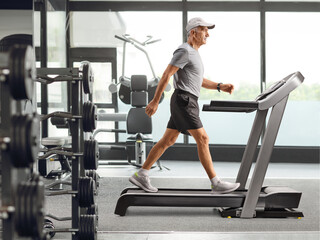
To help you put this information into immediate action, I’ve designed three distinct cardio workouts to lose weight that accommodate different schedules, along with structured weekly plans.
20-Minute Quick Burn Workout
Perfect for busy mornings when you’re short on time. Perform each movement for 45 seconds, rest for 15 seconds, and repeat the entire circuit 4 times.
- Jumping Jacks (45 sec) / Rest (15 sec)
- Bodyweight Squats (45 sec) / Rest (15 sec)
- Mountain Climbers (45 sec) / Rest (15 sec)
- High Knees or Marching in Place (45 sec) / Rest (15 sec)
- Shadow Boxing / Punching (45 sec) / Rest (15 sec)
30-Minute Pyramidal Workout
A fantastic mid-length routine that builds excellent aerobic capacity.
- Warm-up (5 mins): Easy walking or gentle joint mobility movements.
- Circuit (20 mins): Perform 4 rounds of: 1 minute of brisk walking/marching, 1 minute of jogging/stepping jacks, 1 minute of mountain climbers, 1 minute of jumping rope (or simulated jump rope), and 1 minute of absolute rest.
- Cool-down (5 mins): Light stretching and deep breathing.
45-Minute Endurance Workout
An excellent option for weekend sessions when you want to maximize your calorie burn using steady-state cardio exercises to lose weight.
- Warm-up (5 mins): Gentle dynamic stretching.
- Main Session (35 mins): A continuous, moderate-intensity session. This could be an outdoor brisk walk/jog combo, a dedicated stationary cycling session, or an extended low-impact home aerobics routine. Keep your heart rate at a level where you can speak short sentences but can’t carry on a long, casual conversation.
- Cool-down (5 mins): Full-body static stretching focusing on your hamstrings, calves, and quads.
Weekly Progression Schedules
Here is how you should structure your weekly routine based on your current fitness level.
Beginner Weekly Schedule (3 Days/Week)
| Day | Workout Type | Duration | Focus |
| Monday | Low-Impact Home Cardio | 20 Minutes | Consistent movement, focus on form |
| Tuesday | Rest & Recovery | – | Muscle repair, light walking |
| Wednesday | Brisk Walking outdoors | 30 Minutes | Building lung capacity and stamina |
| Thursday | Rest & Recovery | – | Hydration and stretching |
| Friday | 20-Minute Quick Burn Workout | 20 Minutes | Slightly higher intensity, boosting heart rate |
| Saturday | Active Recovery | – | Casual stroll, playtime, or light yoga |
| Sunday | Full Rest Day | – | Complete relaxation and mental reset |
Intermediate Weekly Schedule (5 Days/Week)
| Day | Workout Type | Duration | Focus |
| Monday | 30-Minute Pyramidal Workout | 30 Minutes | Aerobic endurance and rhythm |
| Tuesday | 20-Minute HIIT Cardio Session | 20 Minutes | Max effort intervals, boosting metabolism |
| Wednesday | Active Recovery Walk | 45 Minutes | Low intensity, flushing out muscle soreness |
| Thursday | 30-Minute Pyramidal Workout | 30 Minutes | Core endurance and cardiovascular health |
| Friday | 45-Minute Endurance Session | 45 Minutes | Maximum calorie burn and steady stamina |
| Saturday | Rest & Recovery | – | Light stretching, recovery nutrition |
| Sunday | Full Rest Day | – | Recharging for the upcoming week |
Best Cardio for Weight Loss at Home

When you’re trying to figure out the best cardio for weight loss at home, it helps to understand how different styles fit into your life. Let’s compare the most effective home options.
High-Intensity Interval Training (HIIT)
As we touched on earlier, HIIT is the ultimate time-saver. By pushing your body to its absolute limits during the work intervals, you create a physiological phenomenon known as Excess Post-Exercise Oxygen Consumption (EPOC). In plain English, your metabolism remains elevated for hours after your workout ends, meaning you continue to burn calories while sitting on your couch. It’s highly effective for melting away stubborn abdominal body fat.
Walking (Indoor/Laps)
Don’t write off walking just because you’re indoors. I’ve had clients track 10,000 steps a day simply by walking around their living rooms while listening to podcasts or watching their favorite TV shows. It is incredibly gentle on the nervous system and can be done daily without causing fatigue. If you want to kickstart your mornings this way, browse through our list of the 7 Best Morning Workouts for Weight Loss at Home.
Jump Rope (Simulated or Real)
Jumping rope is a premier calorie burner. If you have high ceilings and no downstairs neighbors, using a real rope is phenomenal. If space is tight, you can perform “simulated” rope jumping—holding your hands out and spinning your wrists while making tiny hops without an actual rope. You get all the cardio benefits without smashing your light fixtures.
Dance Workouts
If traditional workouts bore you to tears, put on your favorite upbeat music and just dance for 30 minutes. Zumba or simple follow-along dance cardio videos are incredible for weight management because they don’t feel like work. When an exercise is fun, you’re infinitely more likely to stay consistent with it week after week.
Low-Impact Cardio
Perfect for anyone carrying significant extra weight, individuals with a history of knee or ankle injuries, or older adults. By keeping one foot firmly on the floor at all times, you protect your skeletal system entirely while still giving your heart and lungs a fantastic workout.
Cardio vs Strength Training

A question I get asked nearly every single week is: “Coach, should I do cardio or lift weights to lose weight?”
Now here’s where most people get confused: they treat these two forms of exercise like bitter rivals. In reality, they are best friends that work beautifully together. Let’s take an objective look at how they compare across several critical categories.
Calories Burned vs. Long-Term Muscle Growth
| Feature | Cardio Training | Strength Training |
| In-Workout Calorie Burn | High. You burn a significant number of calories minute-for-minute while moving. | Moderate. You burn fewer calories during the actual lifting sets. |
| Post-Workout Calorie Burn | Low to Moderate. Your heart rate returns to normal quickly (except after intense HIIT). | High. Your body burns extra calories for 24–48 hours to repair muscle tissue. |
| Muscle Building Potential | Minimal. It preserves existing muscle but rarely builds new muscle tissue. | Excellent. It stimulates muscle hypertrophy, toning and shaping your physique. |
| Impact on Metabolism | Temporary spike during and shortly after the session. | Permanent increase in resting metabolic rate by adding lean muscle mass. |
| Joint Impact | Varies from low (swimming) to high (running). | Generally low to moderate when using controlled, proper form. |
| Long-Term Sustainability | Easy to start, but can become tedious if overdone. | Highly rewarding as you see your physical strength increase over time. |
To achieve a lean, strong, functional body, a combination of both is ideal. Cardio takes care of immediate energy expenditure and cardiorespiratory health, while resistance training ensures you maintain your muscle mass so your metabolism doesn’t slow down during your fat loss journey. Combining weight training with targeted cardio exercises to lose weight creates the ultimate physical synergy.
Cardio by Age Group: Training Smarter Through the Years
Your body changes as you age, which means your approach to cardiovascular exercise needs to evolve too. The best cardio exercises to lose weight for an 18-year-old might look very different from what is safe and effective for a 55-year-old. Let’s look at how to optimize your training based on your current stage of life.
The Young Adults (Ages 18–29)
At this stage, your joints are resilient, your recovery capacity is at an all-time high, and your heart can handle intense physical stress. This is the prime time to explore high-impact and high-intensity cardio exercises to lose weight, such as full-effort running, competitive swimming, jump rope, and advanced HIIT circuits.
Your primary focus should be building a powerful cardiovascular baseline and developing athletic coordination that will protect your health for decades to come.
The Busy Professionals (Ages 30–44)
This is where career demands, family responsibilities, and early signs of joint wear-and-tear usually begin to surface. Time efficiency becomes your number-one priority. For this bracket, the best cardio exercises to lose weight focus on smart, compact home routines, steady cycling, rowing, or structured power walking.
If your schedule is packed, short 20-minute interval sessions on a stationary bike or a high-energy home circuit will give you the maximum metabolic return without completely draining your limited time or overloading your joints.
The Longevity Masterclass (Ages 45–55+)
As we approach our late 40s and 50s, our training philosophy should shift from high-impact pounding to joint preservation, cardiovascular health, and healthy aging. The most effective cardio exercises to lose weight for this demographic are inherently low-impact.
Think brisk walking, using the elliptical machine, water aerobics, and swimming. These movements provide exceptional caloric burn and massive cardiovascular benefits without placing unnecessary mechanical stress on your lower back, knees, and ankles.
Cardio Myths vs Facts
There is an incredible amount of misinformation circulating online regarding cardiovascular fitness. Let’s look at some of the most common myths I hear as a coach and break down the real science behind them.
- Myth: You must do cardio on an empty stomach to burn body fat.
- Fact: While fasted cardio can slightly increase the percentage of fat used as fuel during the actual session, studies show that total fat loss over a 24-hour period is exactly the same whether you eat before your workout or not. What truly matters is your total daily calorie deficit. Do whatever feels best for your energy levels.
- Myth: Sweat is an indicator of how hard you are working and how much fat you are losing.
- Fact: Sweating is simply your body’s biological mechanism for cooling itself down to prevent overheating. It has absolutely nothing to do with room temperature and humidity, and everything to do with fat metabolism. You can burn massive amounts of calories swimming in a cold pool without noticeable sweat, or burn almost nothing sitting in a hot sauna. Focus on movement quality, not your damp t-shirt.
- Myth: Low-intensity cardio is useless for real weight loss.
- Fact: Low-intensity steady-state cardio (like casual or brisk walking) is one of the most sustainable, accessible, and reliable tools for long-term weight management. It burns fat effectively, requires minimal recovery time, doesn’t spike your appetite uncontrollably as high-intensity training can, and is extremely gentle on the nervous system.
- Myth: If you do cardio, you will automatically lose your muscle mass.
- Fact: Cardio will only cause muscle loss if you are performing extreme marathon-level distances while starving your body in a massive, unhealthy calorie deficit. If you consume a protein-rich diet and include 2-3 brief strength sessions a week, regular cardio exercises to lose weight will actually support your muscle recovery by improving blood circulation and nutrient delivery.
Beginner Equipment Guide: What You Actually Need
If you look online, you might think you need to spend thousands of dollars on smart watches, high-tech shoes, and heavy machinery just to start doing cardio. Here’s the truth from someone who has guided hundreds of beginners: you need almost nothing to get started. Let’s break down your gear options into essentials vs. optional extras.
The Bare Essentials
To safely perform cardio exercises to lose weight at home or outdoors, you only truly need two things:
- A Supportive Pair of Athletic Shoes: This is your only non-negotiable investment. You don’t need the most expensive carbon-plated racing shoes, but you do need a dedicated cross-trainer or running shoe that fits your foot shape and offers adequate cushioning to protect your shins and knees from repetitive impact.
- Comfortable, Breathable Clothing: Anything that allows your body to move freely through a full range of motion without chafing. Light, sweat-wicking t-shirts and shorts or track pants are perfect.
The Budget-Friendly Home Upgrades (Under ₹500 – ₹1,500)
If you want to expand your options for performing effective cardio exercises to lose weight at home, consider these two cheap tools:
- A Standard Jump Rope: A simple speed rope costs very little but unlocks one of the most powerful, space-efficient cardio exercises available.
- A Non-Slip Fitness Mat: Provides a cushioned, stable surface that protects your hands, elbows, and knees when performing floor movements like mountain climbers or modified burpees.
The Optional Tech (Nice to Have, But Not Required)
- A Basic Fitness Tracker/Smartwatch: Great for tracking your daily step count or monitoring your heart rate trends over time. However, do not stress about the “calories burned” feature on these devices—they are highly inaccurate estimates. Use them for consistency tracking, not mathematical certainty.
How to Track Your Progress Extensively

When most beginners start their fitness journey, they rely entirely on the bathroom scale to tell them if their routine is working. This is a massive mistake that leads to unnecessary frustration. Your weight can fluctuate wildly by 1–2 kilograms in a single day due to water retention, salt intake, stress, and digestion. To see the true impact of your chosen cardio exercises to lose weight, you need a multi-dimensional approach to tracking progress.
1. Track Functional Endurance Metrics
Instead of asking “how much do I weigh?”, look at how your physical capabilities are shifting. Write down your numbers every single week:
- Are you able to walk for 30 minutes without needing to sit down and rest?
- How long does it take you to complete a 2-kilometer walk today compared to three weeks ago?
- Are you recovering your breath quicker after a tough round of jumping jacks? These aerobic improvements are definitive proof that your cardiovascular system is becoming more efficient.
2. Take Periodic Body Measurements and Photos
Fat loss is a visual and structural transformation. Once every two weeks, use a standard measuring tape to track the circumference of your waist, hips, thighs, and chest. Additionally, take progress photos in the exact same lighting and clothing every month. Often, you will notice your body looking significantly tighter, leaner, and more athletic in photos even during weeks when the scale refuses to move down.
3. Monitor Your Resting Heart Rate (RHR)
As your heart gets stronger from performing regular cardio exercises to lose weight, it pumps more blood with every single beat. This means it doesn’t have to beat as many times per minute when you are sitting quietly. Track your resting heart rate first thing in the morning. Seeing your RHR drop from 78 beats per minute down to 70 over a couple of months is the ultimate confirmation that your body is getting significantly healthier from the inside out.
How Often Should You Do Cardio?
Finding the sweet spot for frequency is essential. If you do too little, you won’t generate enough energy expenditure to move the needle. If you do too much, you run yourself straight into burnout or overuse injuries. Finding balance with your cardio exercises to lose weight ensures long-term victory.
According to exercise science literature published by the Harvard T.H. Chan School of Public Health, aiming for 150 to 300 minutes of moderate physical activity per week provides substantial health benefits and assists greatly with weight management.
For an absolute beginner, I recommend starting with 3 days per week of dedicated cardio, spaced out evenly (e.g., Monday, Wednesday, Friday), with each session lasting 20 to 30 minutes. This gives your muscles, tendons, and joints plenty of time to adapt to the new physical demands.
As your stamina improves, you can safely scale up to 4 or 5 days per week. Can you do cardio every day? You can certainly engage in low-intensity daily exercise like a 30-minute casual walk. However, you should never perform high-intensity cardio or grueling weight loss workouts every single day.
Your body doesn’t actually get fitter during the workout itself; it gets fitter between workouts when it is resting, repairing, and rebuilding. Select high-quality cardio exercises to lose weight, perform them with intent, and then allow your body to heal. Ignore rest days at your own peril!
Nutrition Tips to Fuel Your Cardio

Let’s be completely blunt: you cannot out-exercise a terrible diet. You could spend two hours performing intensive cardio exercises to lose weight at home, but if you celebrate by eating a giant pizza, you’ve completely wiped out that calorie deficit. Nutrition and training must work hand-in-hand.
Prioritize Protein
When you’re in a calorie deficit, your body is looking for energy anywhere it can find it. If you don’t eat enough protein, your body will happily break down your hard-earned muscle tissue for fuel. To prevent this, ensure every meal contains a clean source of protein like eggs, chicken breast, fish, paneer, tofu, or lentils. For an exhaustive breakdown of the best options available, take a look at our article on the Best Protein-Rich Foods for Daily Health.
Don’t Fear Carbohydrates
Many beginners immediately cut out all carbs because they’ve been told carbs make you fat. That’s a mistake. Carbohydrates are your body’s primary and most efficient source of fuel, especially for a demanding cardio workout. Focus on complex carbohydrates like oats, brown rice, quinoa, and whole wheat, which digest slowly and provide sustained energy to power your cardio exercises to lose weight.
Hydration is Non-Negotiable
Even mild dehydration can reduce your exercise performance by up to 20%, making your workouts feel twice as hard as they should be. Drink water consistently throughout the day. A good general rule is to drink 500ml of water about two hours before your workout, and continue sipping water during your session to replace lost sweat.
Pre- and Post-Workout Meal Timing
You don’t need to eat a massive meal right before exercising—doing so will likely give you stomach cramps. Instead, have a small, easily digestible carbohydrate snack (like a banana or a slice of whole-grain toast with a smear of peanut butter) about 45–60 minutes before your workout to fuel your chosen cardio exercises to lose weight. Afterward, consume a balanced meal containing both protein and carbs within two hours to kickstart muscle recovery and replenish your depleted glycogen stores.
Common Cardio Mistakes to Avoid
In my 12+ years of coaching, I’ve watched hundreds of beginners make the same classic errors. By recognizing these pitfalls early, you can save yourself months of frustration and protect your body from injury while utilizing your favorite cardio exercises to lose weight.
- Doing Too Much, Too Soon: Going from a sedentary lifestyle straight into 60 minutes of high-intensity running is a recipe for shin splints and mental burnout. Gradual progression is everything when adapting to new cardio exercises to lose weight.
- Chasing Sweating Over Effort: Sweating is simply your body’s mechanism for cooling itself down; it is not an indicator of fat loss. Sitting in a hot room sweating does not burn body fat; physical movement does.
- Relying Solely on the Cardio Machine Calorie Counters: The numbers displayed on treadmills and ellipticals are notoriously inaccurate. They often overestimate your calorie burn by up to 20-30%. Use them as a general reference, not gospel truth.
- Ignoring Proper Form: Running with hunched shoulders, leaning heavily on the elliptical handles, or bouncing frantically on a jump rope all compromise your results and invite injury. Focus on moving cleanly.
- Completely Skipping Recovery: If you are constantly sore, chronically fatigued, and irritable, your body is crying out for a break. Honor your rest days—they are just as important as your workout days.
- Neglecting a Warm-Up: Cold muscles are brittle and highly prone to strains. Always dedicate 5 minutes to easy walking or dynamic movements before picking up the intensity. The Mayo Clinic emphasizes that a proper warm-up gradually prepares your cardiovascular system for exercise by increasing blood flow to your muscles and raising your body temperature safely.
Frequently Asked Questions
Is cardio enough to lose weight?
Cardio is a phenomenal tool for increasing your daily calorie burn and improving heart health, but it is rarely enough on its own. For long-term, sustainable weight management, you must pair your cardio routine with a balanced, calorie-controlled nutritional plan and basic strength training to protect your muscle mass.
Can cardio burn belly fat?
Here’s the scientific reality: you cannot spot-reduce fat from a specific area of your body. Your genetics determine where you store fat and where you lose it first. When you perform cardio workouts to lose weight, you lose body fat systemically across your entire body. Over time, as your overall fat percentage drops, your belly fat will naturally melt away. For specific lifestyle strategies to accelerate this, read our expert guide on 10 Effective Ways to Reduce Belly Fat Naturally.
How long should a beginner cardio session be?
As a beginner, you should aim for 20 to 30 minutes per session. If that feels too challenging at first, remember that you can break it up into two 10-minute sessions throughout the day. Quality of movement and consistency are far more important than raw duration when you’re just starting out with cardio exercises to lose weight.
Should beginners do HIIT?
Generally speaking, absolute beginners should avoid high-intensity interval training for the first few weeks. True HIIT places a massive amount of stress on your central nervous system and requires a foundational level of cardiovascular fitness to perform safely. Start with low-impact cardio and steady-state walking or cycling first, then introduce intervals once you’ve built a solid fitness base using foundational cardio exercises to lose weight.
Is it better to do cardio in the morning or evening?
The absolute best time to do cardio is when you can do it consistently. Morning cardio on an empty stomach can be great for mental clarity and setting a positive tone for the day, while evening cardio can be an excellent way to destress after a long workday. Pick the time slot that fits seamlessly into your lifestyle.
Can I do cardio every day?
You can safely engage in low-intensity cardio, such as daily casual walking, every single day. However, moderate-to-high intensity cardio sessions should be limited to 3 to 5 days a week. Your body absolutely requires rest days to repair muscle tissue, balance hormones, and prevent chronic overuse injuries.
Final Thoughts
At the end of the day, losing weight naturally isn’t about punishing your body with extreme, exhaustive exercises that you absolutely hate. It’s about finding a joyful, sustainable rhythm of movement that celebrates what your body is capable of achieving through smart cardio exercises to lose weight.
Whether you choose to take up brisk walking through your neighborhood, start a jump rope routine on your balcony, or follow along with a home fat-burning workout, the secret ingredient is always consistency. A modest 20-minute workout that you perform consistently three times a week will always beat a flawless 60-minute routine that you abandon after a single week.
Be patient with yourself. Celebrate the non-scale victories, like having more daily energy, tracking your performance gains, sleeping better, and feeling stronger. We are entirely committed to supporting you every step of the way here at iFitGuide. Put on your sneakers, take that very first step today, select your favorite cardio exercises to lose weight, and let’s build a healthier, happier version of you!