

Whenever someone decides they want to drop a few pounds, they usually think they need to punish themselves. They sign up for a grueling high-intensity gym class, drag themselves out for a painful run, or completely starve themselves. Honestly, it breaks my heart a little because it doesn’t have to be that way. Over my 12 years as a certified fitness coach, I’ve seen beginners make this mistake more times than I can count. They burn out within two weeks, end up sore, discouraged, and right back where they started.
But what if I told you that the most sustainable, stress-free path to a leaner, healthier body is something you already know how to do? I’m talking about simple, daily walking.
Using walking for weight loss is one of the most underrated, overlooked tools in the entire fitness industry. It doesn’t sell expensive gym memberships or fancy recovery gadgets, so people dismiss it. Yet, if you’re a beginner looking for a sustainable way to kickstart your journey, walking for weight loss is your golden ticket. You don’t need a high level of beginner fitness to start; your joints won’t scream at you, and you can fit it into your life without turning your world upside down.
In this comprehensive guide, we’re going to dive deep into the real mechanics of walking to lose weight safely. You’ll learn how your body burns fat, exactly how many steps to lose weight are actually required for real progress, and how to structure a simple walking routine that fits your lifestyle. We will also break down a realistic walking schedule, look at how walking vs running for weight loss stacks up for long-term success, and clear up the common myths that hold people back. Grab a cup of coffee, clear your mind of old diet myths, and let’s talk about how maximizing walking for weight loss can transform your body one step at a time.
Can Walking Help You Lose Weight?
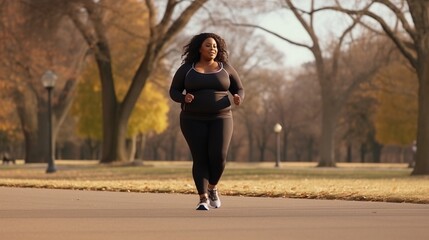
I hear this question all the time from new clients: “Coach, can I really achieve real weight loss just by taking a walk?” They look at me with genuine skepticism because we’ve been conditioned to believe that if a workout isn’t making you gasp for air, it isn’t working. But in reality, prioritizing walking for weight loss is a highly efficient physiological strategy.
Here’s the thing: your body doesn’t care if you’re doing an intense cross-training circuit or strolling through a local park. What it cares about is energy balance. To understand how fat loss works, you have to look at the basic science of human metabolism. Every single day, your body burns a baseline number of calories just to keep you alive, breathe, and digest food. When you move your body, you burn additional calories.
To lose weight, you must create a calorie deficit. This simply means you are consuming fewer calories through your food than your body is burning through its daily metabolism and physical movement. When this happens, your body looks inward for fuel. It taps into stored body fat percentage to bridge the energy gap.
Now, how does walking fit into this? Walking is a form of physical activity that primarily uses fat as its main fuel source. When you walk at a comfortable, moderate pace, your body is in an aerobic state. This means it has plenty of oxygen available to break down fat cells and convert them into usable energy. According to the health experts at Harvard Health, regular physical activity like daily walking can significantly contribute to your total daily energy expenditure, making it much easier to sustain that necessary calorie deficit without feeling totally exhausted.
In my experience, I’ve worked with clients who changed absolutely nothing else about their lives other than adding a consistent 45-minute daily walk, and they started dropping a pound a week. It isn’t magic; it’s just biology. Committing to a schedule of walking for weight loss burns calories, builds a consistent movement habit, and helps you achieve your goals naturally. Here at iFitGuide, we focus on these sustainable methods because they actually last.
Benefits of Walking for Weight Loss
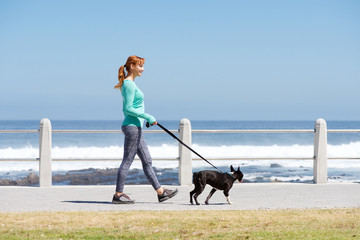
When we talk about walking to lose weight, we shouldn’t just look at the scale. The physical and mental shifts that happen when you implement a dedicated plan of walking for weight loss go far deeper than just shrinking your waistline. Let’s look at why this simple walking exercise does wonders for your entire system.
Burns Calories and Directs Fat Loss
Every step you take requires energy. While a single session of walking for weight loss might not burn as many calories as a grueling spin class, the total calories burned over a week, a month, or a year add up to massive numbers. More importantly, walking allows you to burn calories without causing an extreme spike in your appetite. Have you ever noticed how a super intense workout leaves you absolutely ravenous? You end up eating back all the calories you just burned. Strategic walking keeps your appetite stable, making it much easier to maintain your calorie deficit.
Improves Your Metabolism
Many beginners worry that their metabolism is permanently broken. It isn’t. Utilizing regular walking for weight loss keeps your metabolic rate elevated throughout the day. Instead of sitting at a desk for eight hours straight, getting up for regular walks signals to your body that it needs to keep energy production high. Over time, this consistent movement preserves lean muscle tissue, which is the secret engine behind a healthy lifestyle and a thriving metabolism.
Supports Heart Health
Your heart is a muscle, and it needs regular work to stay strong. The American Heart Association notes that walking just 30 minutes a day can significantly lower your risk of cardiovascular disease and stroke. It lowers blood pressure, improves blood circulation, and manages cholesterol levels. When you make time for walking for weight loss, you’re not just looking better in the mirror; you’re actively adding healthy years to your life.
Reduces Stubborn Belly Fat
Here’s where most people get confused: they think they need to do hundreds of sit-ups to lose belly fat. You can’t spot-reduce fat, but tracking your walking for weight loss progress is uniquely effective at targeting visceral fat—the dangerous fat stored around your internal organs that causes a protruding midsection. Because walking lowers stress hormones like cortisol, it directly tackles the hormonal environment that tells your body to store belly fat in the first place. I’ve coached dozens of beginners at iFitGuide who saw their waistlines shrink before the number on the scale even changed significantly.
Improves Mood and Mental Clarity
Let’s be completely honest: losing weight can feel stressful. When you’re managing a new walking routine and watching what you eat, your brain can get tired. A daily habit of walking for weight loss acts as a natural antidepressant. It releases endorphins, the “feel-good” chemicals that clear mental fog and reduce anxiety. A simple walk outside in nature changes your perspective, reduces emotional eating triggers, and leaves you feeling grounded.
Promotes Better Sleep
If you aren’t sleeping well, your fat loss goals will feel ten times harder. Poor sleep disrupts your hunger hormones, specifically ghrelin and leptin, making you crave high-sugar, high-fat foods the next day. Regular physical activity like a morning or evening walking workout naturally tires your body out, leading to deeper, more restorative sleep cycles. Better sleep means better recovery and more energy to stick to your daily walking schedule.
Unbelievably Joint Friendly
This is the ultimate superpower of choosing walking for weight loss as your main exercise. If you carry excess weight, your knees, hips, and lower back take a pounding every time you run or jump. This can lead to injury, pain, and quitting altogether. Walking is a low-impact exercise. One foot is always on the ground, meaning the impact forces are minimal. It lubricates your joints, strengthens the supporting muscles, and lets you build a strong foundation of fitness safely.
How Many Steps Should You Walk to Lose Weight?
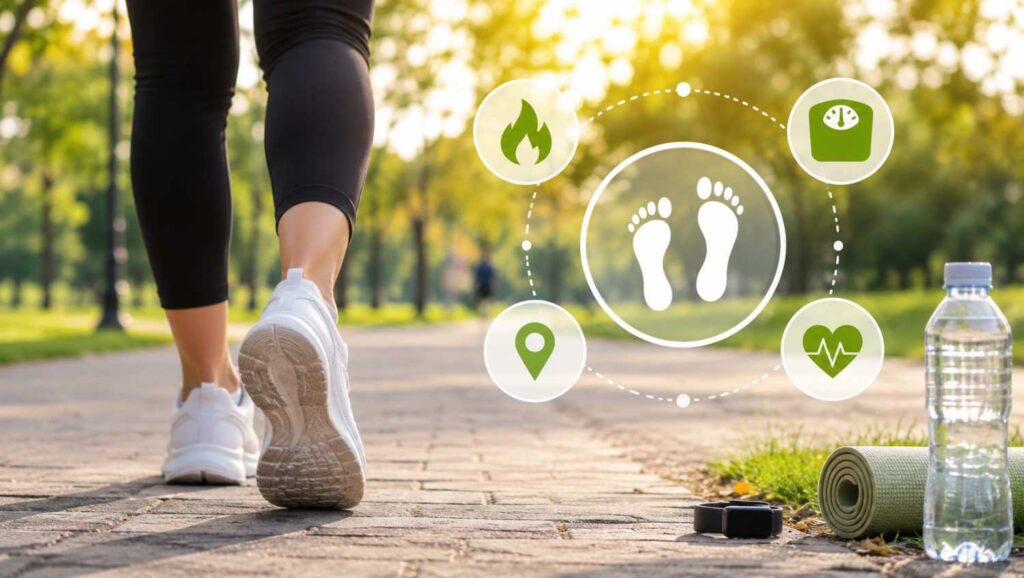
Now here’s where most people get confused: the magic number of steps. We’ve all heard that you must hit exactly 10,000 steps per day, or your walk doesn’t count. But where did that number even come from? Fun fact: it originated as a marketing gimmick for a Japanese pedometer back in 1965. It wasn’t based on rigorous clinical science.
The truth is, figuring out how many steps you need to lose weight depends entirely on where you are starting today. If you are currently averaging 2,000 steps per day, forcing yourself to hit 10,000 tomorrow is a recipe for sore feet and frustration. According to guidelines from the CDC, any increase in daily physical movement yields health benefits. Let’s look at a realistic breakdown of step tiers to see how they impact your body fat percentage, especially when structuring your week around walking for weight loss.
5,000 Steps Per Day
This is generally considered the baseline to move out of a completely sedentary lifestyle. For a complete beginner starting their journey of walking for weight loss, hitting 5,000 steps is an excellent initial milestone. While it might not trigger rapid weight loss on its own unless paired with a precise calorie deficit, it starts building the muscle memory, joint resilience, and daily habit needed for long-term health.
7,500 Steps Per Day
This is the sweet spot where the magic really starts to happen for health and longevity. Studies summarized by institutions like the Mayo Clinic show that many of the steepest declines in mortality and health risks level out around 7,500 to 8,000 steps. At this level, you are actively moving toward your goals, burning an extra 200 to 300 calories a day depending on your size, which provides a major boost to your routine of walking for weight loss.
10,000 Steps Per Day
If you can hit this consistently without stressing yourself out, it’s a phenomenal goal. Averaging 10,000 steps per day ensures that you remain highly active. It creates a robust daily energy burn that gives you more flexibility with your nutrition. When it comes to tracking how many steps to lose weight are optimal, this number allows you to maintain a steady fat loss pace without having to drop your food portions to uncomfortably low levels.
12,000+ Steps Per Day
This is an advanced activity level, often seen in individuals who have active jobs or those who are highly dedicated to their fitness goals. While walking this much burns a substantial number of calories, you must listen to your body to avoid overuse injuries like shin splints or plantar fasciitis. When testing how many steps to lose weight are right for you, consistency over a long period always beats a massive single-day step count followed by three days of sitting on the couch recovering.
| Step Range | Activity Status | Weight Loss Impact | Best Suited For |
| Under 5,000 | Sedentary | Minimal without strict dieting | Complete beginners building habits |
| 5,000 – 7,499 | Lightly Active | Slow, steady progress | Busy individuals maintaining baseline health |
| 7,500 – 9,999 | Moderately Active | Excellent fat loss support | The ideal target for consistent weight loss |
| 10,000 – 12,000 | Highly Active | Accelerated weight loss | Those looking to maximize daily energy burn |
| 12,000+ | Very Active | High caloric burn | Advanced fitness enthusiasts or active workers |
How Many Calories Does Walking Burn?

To keep our expectations grounded, we need to look at the numbers. Exactly how much energy does a walking workout burn? The answer isn’t a one-size-fits-all figure. The number of calories burned during any physical activity depends heavily on your current body weight and the duration of your session.
Think of your body like a car engine. A heavier vehicle requires more fuel to travel the same distance as a smaller, lighter car. Therefore, someone who weighs 90 kg will burn more calories walking for 45 minutes than someone who weighs 60 kg, simply because their body has to do more mechanical work to move that mass through space.
Your walking speed also matters, but for this basic breakdown, let’s assume a standard brisk walking pace of about 5 to 6 km/h. This is a pace where you can still talk, but you can’t comfortably sing a song. It’s the standard tempo I recommend when using walking for weight loss to hit your weekly caloric targets.
The following data table shows estimated calories burned based on different body weights and walking durations. These numbers are approximations, but they give you a realistic idea of how your efforts translate into real energy expenditure.
| Body Weight (kg) | 30 Minutes of Walking | 45 Minutes of Walking | 60 Minutes of Walking |
| 60 kg | ~120 Calories | ~180 Calories | ~240 Calories |
| 70 kg | ~140 Calories | ~210 Calories | ~280 Calories |
| 80 kg | ~160 Calories | ~240 Calories | ~320 Calories |
| 90 kg | ~180 Calories | ~270 Calories | ~360 Calories |
| 100 kg+ | ~200+ Calories | ~300+ Calories | ~400+ Calories |
In my coaching career, I’ve seen beginners look at these charts and think, “That’s it? Only 240 calories for an hour of work?” But you see, you have to look at the cumulative effect. If you burn an extra 250 calories every day by committing to walking to lose weight, that equals 1,750 calories a week. Over a month of focused walking for weight loss, that’s 7,000 calories, which is roughly equivalent to two pounds of pure body fat. And you achieved that without exhausting your body or starving yourself. That is the true power of a sustainable healthy lifestyle.
Best Walking Routine for Beginners

If you’re ready to get started, don’t just walk out your front door without a plan. I’ve seen beginners make this mistake frequently: they go too hard on day one, get blisters, feel incredibly sore, and give up. A structured, progressive program of walking for weight loss allows your muscles, tendons, and joints to adapt smoothly to the new demands.
This 4-week progressive plan is designed to take you from a sedentary lifestyle to walking confidently for 45 minutes straight. We will slowly build up your walking schedule, giving your body plenty of time to rest and recover. Remember, your pace should be a comfortable, brisk walking speed where you are breathing slightly harder than normal but can still carry on a conversation. This ensures your walking for weight loss routine remains completely safe and sustainable.
Week 1: Building the Habit
Your main goal this week is simply showing up. Don’t worry about speed or distance. Focus on finding a comfortable pair of shoes, stepping outside, and moving consistently. We are aiming for three 20-minute sessions scattered throughout the week to lay the baseline for your walking for weight loss journey.
Week 2: Increasing the Duration
Now that your feet and legs are getting used to regular daily walking, we will extend the time slightly. We will move our session lengths up to 30 minutes. You might notice some mild tightness in your calves or shins; this is completely normal as your body adapts. Just keep a steady, manageable rhythm that supports long-term walking for weight loss success.
Week 3: Introducing Frequency
This week, we keep the duration at 30 minutes but add an extra day to our walking schedule. This helps teach your body to handle regular movement without getting worn down. If you feel tired, you can break your walks into two 15-minute sessions—one in the morning and one in the evening—while keeping your walking to lose weight goals fully intact.
Week 4: Stepping Up the Intensity
By week four, your endurance will have noticeably improved. We are bumping our main walking workout sessions up to 45 minutes. At this stage, you’re building real physical momentum, burning substantial calories, and creating an iron-clad habit of walking for weight loss that will support your long-term health goals.
| Week | Monday | Tuesday | Wednesday | Thursday | Friday | Saturday | Sunday |
| Week 1 | 20 Min Walk | Rest Day | 20 Min Walk | Rest Day | 20 Min Walk | Rest Day | Optional Stroll |
| Week 2 | 30 Min Walk | Rest Day | 30 Min Walk | Rest Day | 30 Min Walk | Rest Day | Active Recovery |
| Week 3 | 30 Min Walk | Rest Day | 30 Min Walk | 30 Min Walk | Rest Day | 30 Min Walk | Active Recovery |
| Week 4 | 45 Min Walk | Rest Day | 45 Min Walk | 30 Min Walk | Rest Day | 45 Min Walk | Active Recovery |
Walking vs Running for Weight Loss

It’s the age-old debate in the fitness world: walking vs running for weight loss. Which one reigns supreme? If you ask a random person on the street, they will almost always say running is better because it looks harder and burns more calories per minute. But as an experienced coach, I look at the big picture. I look at sustainability, injury rates, and psychological enjoyment.
Let’s look at the pure facts. Yes, running burns roughly double the calories per minute compared to walking. If you have exactly 30 minutes to exercise and your body can handle the pounding, running will create a larger immediate calorie deficit.
But now here’s where most people get confused. Running places a massive amount of mechanical stress on your frame. Every time your foot strikes the pavement during a run, your joints absorb a force equal to roughly three to four times your total body weight. If you are a beginner carrying extra weight, that stress can quickly lead to knee pain, shin splints, or lower back issues. If you get injured, your exercise drops to zero, and your weight loss journey grinds to a painful halt.
Furthermore, running triggers a massive hormonal hunger response in many people. Because it’s an anaerobic exercise that burns through stored glycogen rapidly, your brain screams for quick energy (sugar and carbs) the moment you finish. Walking, on the other hand, keeps your blood sugar stable and doesn’t cause those intense post-workout binge cravings.
When analyzing walking vs running for weight loss, we also have to talk about consistency. Can you run for 45 minutes every single day, month after month, without burning out? For 95% of beginners, the answer is no. But can you choose walking for weight loss for 45 minutes every day? Absolutely. If you look at how walking vs running for weight loss compares over an entire year, walking often wins because people actually stick with it. Walking is a tool you can use for the rest of your life. It builds sustainable fat loss without destroying your joints.
| Feature | Walking for Weight Loss | Running for Weight Loss |
| Calories Burned per Minute | Moderate (~4 – 6 kcal/min) | High (~10 – 14 kcal/min) |
| Joint Impact | Very Low (Safe for all weights) | High (3-4x body weight impact) |
| Appetite Stimulation | Minimal (Easier to eat in a deficit) | High (Can trigger intense cravings) |
| Beginner Friendliness | Exceptional (No baseline fitness needed) | Low (Requires existing cardiovascular base) |
| Recovery Time Required | Near Zero (Can be done daily) | 24 – 48 Hours for intense sessions |
| Long-Term Sustainability | Extremely High | Moderate to Low for beginners |
Walking Speed: Does It Matter?
Does your walking speed actually matter, or is a stroll just as good as a sprint? In my experience, the pace you choose acts as a dial to control how hard your heart and muscles are working. While any movement is better than sitting on the couch, varying your speed can help maximize your calories burned and break through weight loss plateaus. Let’s break down the four main categories of speed you can utilize to optimize your routine of walking for weight loss.
Slow Walking (Around 3 to 4 km/h)
This is your casual stroll pace. Think of it like walking around a grocery store or browsing a museum. While it doesn’t burn a massive number of calories or kick your heart rate into an aerobic zone, it is fantastic for active recovery, lowering stress levels, and getting steps per day without sweating. Don’t discount it; it’s a great way to keep your body moving on rest days.
Brisk Walking (Around 5 to 6 km/h)
This is the zone where true walking for weight loss progress lives. Brisk walking means you are moving with a clear purpose. You should feel your body heat rising, your breath becoming deeper, and your heart pumping steadily. You can still speak in full sentences, but you definitely couldn’t sing your favorite song. This pace optimizes fat burning while remaining perfectly sustainable for long durations.
Power Walking (Around 6.5 to 7.5 km/h)
Power walking involves actively pumping your arms, taking shorter, faster strides, and pushing your cardiovascular limits. Your heart rate will climb significantly, approaching a zone similar to a light jog. It’s an exceptional tool if you are short on time and want to maximize your walking for weight loss goals in a shorter session.
Incline Walking
If you want to supercharge your walking for weight loss routine without transitioning into a run, find a hill or raise the incline on a treadmill. Walking uphill changes the entire equation. It forces your glutes, hamstrings, and calves to work twice as hard, which builds lean muscle while dramatically increasing your caloric burn. In fact, walking up a moderate incline can burn just as many calories as a flat-ground run, all while remaining completely low-impact on your joints. At iFitGuide, we love recommending incline work for clients who want faster results safely.
Best Time to Walk for Weight Loss

I’ve had clients look at me completely stressed out, asking, “Coach, if I don’t walk at 5:00 AM, is it even worth doing?” There is so much misinformation online about the absolute “perfect” time to exercise. Let’s clear the air and look at the pros and cons of different times so you can choose what actually works for your lifestyle of walking for weight loss.
Morning Walking
There is something undeniably peaceful about getting your steps in first thing in the morning. The air is crisp, the world is quiet, and you get to check your exercise off your to-do list before your day gets chaotic.
Additionally, morning walking out in the natural sunlight helps set your circadian rhythm. It regulates your body’s internal clock, which improves your sleep quality at night. Many people swear by fasted walking in the morning, believing it accelerates walking for weight loss because your stomach is empty. While there is some minor truth that your body utilizes stored fat when insulin levels are low, the total calories burned at the end of the day is what truly matters for your calorie deficit. If morning walks make you feel energized, do them. If they make you miserable, don’t force it.
Afternoon Walking
An afternoon walk is an incredible tool to break up a sedentary workday. If you struggle with that classic 3:00 PM energy crash where you instinctively reach for a sugary coffee or candy bar, try stepping outside for a 15-minute brisk walk instead. The movement increases blood flow to your brain, clears out mental fatigue, and gives you a natural, calorie-free energy boost to power through the rest of your shift while keeping your walking to lose weight habit strong.
Evening Walking
Evening walks are perfect for unwinding after a stressful day. Instead of sitting directly in front of the TV to decompress, a post-dinner walk helps lower your blood pressure and transition your nervous system from a stressed “fight-or-flight” state into a relaxed “rest-and-digest” state.
Furthermore, walking after meals is highly backed by medical research. Medical guidelines emphasize the importance of light physical activity for metabolic health. Utilizing walking for weight loss for just 10 to 15 minutes immediately after a meal helps clear glucose from your bloodstream, significantly reducing insulin spikes and preventing your body from storing those excess calories as body fat percentage.
Ultimately, the best time to walk is the time you can stick to consistently. If you need more structure, setting up a clear walking schedule on iFitGuide can help you stay accountable regardless of the hour.
Foods to Eat While Walking for Weight Loss
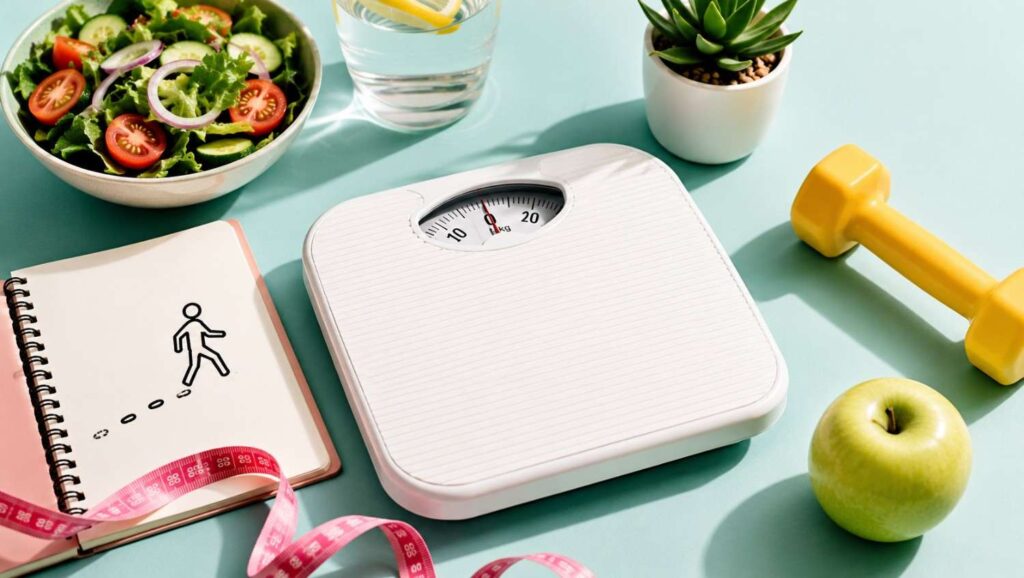
Here is a hard truth that every fitness coach knows: you cannot out-walk a bad diet. You could walk 15,000 steps per day, but if you are consistently eating processed, high-calorie foods, your weight will not budge. To see real results from your walking for weight loss routine, your nutrition must work in harmony with your movement.
To help you navigate this, I always recommend reading our comprehensive breakdown on the Best Protein Rich Foods for Daily Health to understand how to fuel your body correctly. Let’s look at how to structure your daily meals to maximize fat loss and keep your energy high while implementing walking for weight loss.
Breakfast
Start your day with foods that stabilize your blood sugar and keep you full for hours. Avoid high-sugar cereals, pastries, or sweet coffees that cause a quick crash. Instead, focus on a combination of lean protein and complex carbohydrates. Excellent options include whole eggs scrambled with spinach, oatmeal topped with a handful of walnuts, or unsweetened Greek yogurt with fresh berries.
Lunch
Your midday meal should provide sustained energy to prevent that afternoon slump. Build your plate around a generous portion of lean protein, lots of fiber-rich vegetables, and a source of healthy fat. Think of a large grilled chicken salad with olive oil dressing, or a quinoa bowl packed with roasted vegetables and mixed beans. This keeps your metabolism humming and fuels your afternoon steps.
Dinner
Keep your evening meal satisfying but mindful of total calories. Focus on high-quality proteins and plenty of non-starchy vegetables like broccoli, cauliflower, or zucchini. A portion of baked fish, grilled chicken breast, or lean tofu paired with a small side of sweet potato or brown rice provides the perfect balance to repair your muscles overnight without overloading your system before bed.
Healthy Snacks
If you get genuinely hungry between meals, skip the chips and cookies. Reach for whole-food snacks that offer nutritional value. A small apple with a tablespoon of natural peanut butter, a handful of almonds, or some carrot sticks with hummus are fantastic choices. They provide a slow release of energy that supports your daily walking routine without blowing past your calorie targets.
The Importance of Protein and Water
If you want to change your body composition—meaning you drop body fat percentage while keeping your metabolism-boosting muscle—protein is your best friend. Protein requires more energy for your body to digest than carbs or fats, and it keeps you incredibly full. To learn more about how to set up your fat loss nutrition properly to match your walking for weight loss schedule, check out our guide on Calorie Deficit Explained: How to Lose Weight Fast Without Starving.
And don’t forget water. Mild dehydration can easily masquerade as hunger, leading to accidental overeating. Drinking water throughout the day keeps your joints lubricated, your energy levels high, and ensures your body can efficiently process and burn stored fat.
Common Walking Mistakes That Slow Weight Loss
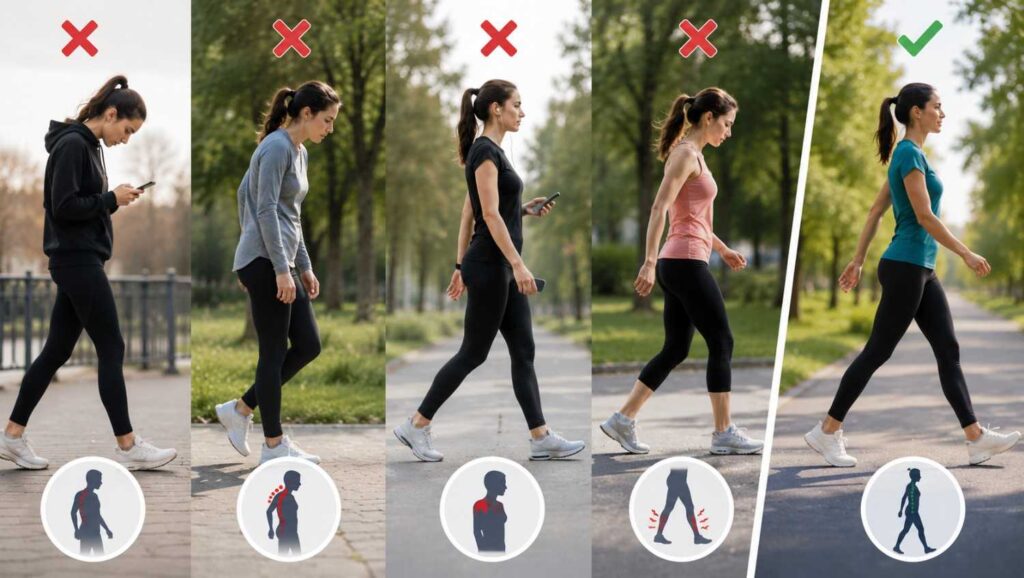
I’ve worked with beginners who believed they needed intense workouts, but after eight weeks of consistent walking for weight loss and small nutrition changes, they were surprised by their results. However, I’ve also seen people walk diligently for months without dropping a single pound. When we look closer at their habits, we usually find a few common mistakes that are stealthily blocking their progress. Let’s identify these traps so you can avoid them completely.
- Assuming a Walk Gives You Permission to Eat Anything: This is the absolute biggest trap. People check their fitness tracker, see they burned 250 calories on their walk, and reward themselves with a 500-calorie muffin. You must keep your nutrition independent of your movement. Rely on your plan of walking for weight loss for your health and fat loss, but eat according to your structured goals.
- Sticking to the Exact Same Route and Pace Forever: Your body is incredibly smart. It adapts to stress very quickly. If you walk the exact same flat 2 km route at the exact same casual pace for six months, your body becomes highly efficient at it. It will actually begin burning fewer calories to complete that same walk. If you want to maximize walking for weight loss, you must introduce variety—change your pace, add a hill, or extend your time slightly to keep your metabolism guessing.
- Neglecting Your Posture and Form: Walking isn’t just about shuffling your feet forward. If you slouch, stare down at your phone, or take unnaturally long strides, you are reducing the efficiency of the exercise and setting yourself up for lower back or hip strain. Keep your chest tall, look ahead, swing your arms naturally, and push off with your toes. This engages your core and glutes properly, increasing your total energy burn during your walking for weight loss sessions.
- Relying Entirely on Fitness Trackers for Accuracy: Don’t get me wrong, I love fitness trackers for counting steps. But when it comes to calculating calories burned, they can be notoriously inaccurate—sometimes overestimating by up to 30% or 40%. Never use your watch’s calorie reading as a license to eat more food. Treat that number as a loose estimation, not a strict fact.
- Ignoring the Little Movements Throughout the Day: Some people go for a 30-minute walk in the morning and then proceed to sit completely still in an office chair for the next nine hours. In the fitness industry, we call this being an “active sedentary” person. True fat loss relies on your total daily movement, not just one isolated workout. To make your walking for weight loss routine work best, keep pacing while on phone calls, take the stairs, and keep your body active throughout the entire day.
7-Day Walking Plan
To make this journey as practical and friction-free as possible, here is a complete, ready-to-use 7-day walking plan. This plan combines everything we’ve discussed: varying speeds, time durations, and recovery periods to optimize your fat loss naturally.
Before you start, make sure to do a quick 2-minute dynamic warm-up by gently rolling your ankles, doing a few bodyweight squats, and swinging your arms to get the blood flowing. If you’re looking for more ways to kickstart your journey from the comfort of your living room, consider checking out our guide on the 7-Day Home Workout Plan for Beginners in India to pair with your steps as you continue walking for weight loss.
| Day | Workout Type | Focus & Technique | Duration | Expected Intensity |
| Day 1 | Steady-State Brisk Walk | Find a flat route; focus on a consistent, purposeful pace. Maintain tall posture. | 30 Minutes | Moderate |
| Day 2 | Interval Speed Walk | 5-min warm-up, then alternate 1 min of fast power walking with 2 mins of slow recovery walking. | 25 Minutes | Moderate to High |
| Day 3 | Active Recovery Stroll | A casual, relaxing walk. Listen to a podcast, clear your mind, let your muscles recover. | 20 Minutes | Low |
| Day 4 | Incline Challenge | Find a hilly route outside or set a treadmill to a 3% – 5% incline. Focus on driving through your glutes. | 30 Minutes | High |
| Day 5 | Endurance Step-Builder | A longer, steady walk. Keep a sustainable brisk pace where you can comfortably breathe. | 45 Minutes | Moderate |
| Day 6 | Post-Meal Metabolic Walk | Split into two short 15-minute walks directly after your largest meals of the day. | 30 Minutes Total | Low to Moderate |
| Day 7 | Rest & Recharge | Give your feet a break. Focus on mobility, gentle stretching, and proper hydration. | – | Rest |
Tips to Lose Weight Faster While Walking

If you are already consistent with your steps per day and want to optimize your results, there are several advanced strategies you can introduce to your walking for weight loss routine. You don’t need to do all of these at once. Pick one or two techniques, master them over a couple of weeks, and then add more as your confidence grows.
Integrate Basic Strength Training
While walking for weight loss is incredible for fat loss, adding some basic resistance training takes your results to a completely different level. Building even a tiny amount of lean muscle tissue raises your baseline resting metabolic rate, meaning you burn more calories even when you are asleep. If you aren’t sure where to start, take a look at our article on the 7 Best Morning Workouts for Weight Loss at Home to add simple bodyweight movements to your routine.
Prioritize Sleep and Manage Stress
You can walk all the miles you want, but if your life is a chaotic cloud of chronic stress and 4 hours of sleep, your body will stubbornly hold onto fat. High stress levels flood your system with cortisol, a hormone that actively encourages your body to store visceral belly fat and triggers intense cravings for junk food. Prioritize getting 7 to 8 hours of quality sleep every night. Treat your walking for weight loss schedule as a form of moving meditation to clear your head and lower those stress hormones naturally.
Utilize Interval Walking Techniques
Instead of walking at one steady speed for your entire session, try playing with your pace. Interval walking involves alternating between short bursts of high-intensity power walking and periods of slower, recovery-paced walking. This simple shift challenges your cardiovascular system, keeps your heart rate elevated, and triggers a phenomenon known as EPOC (Excess Post-Exercise Oxygen Consumption). This means your body continues to burn calories at an elevated rate for several hours after your walking for weight loss session is finished.
Apply the Principle of Progressive Overload
Progressive overload is a fundamental rule of fitness. It simply means that to see continued progress with walking for weight loss, you must gradually increase the workload over time. If you walk 5,000 steps a day this week, try aiming for 5,500 steps next week. If you complete your standard route in 40 minutes, try to complete it in 38 minutes next time while maintaining good form. Small, incremental increases prevent plateaus and keep your body adapting and changing.
Frequently Asked Questions
Can walking reduce belly fat?
Yes, walking is highly effective at reducing belly fat. While you cannot choose exactly where your body burns fat first, regular brisk walking specifically targets visceral fat, which is the deep fat stored around your abdomen. Because walking is a low-stress exercise, it reduces cortisol levels—a hormone directly linked to stubborn belly fat accumulation. For more targeted lifestyle shifts, feel free to read our guides on 10 Effective Ways to Reduce Belly Fat Naturally and How to Lose Belly Fat Without Exercise in 1 Week to optimize your walking for weight loss approach.
How many steps to lose weight do I need daily?
For most beginners, aiming for a target between 7,500 and 10,000 steps per day is ideal for consistent weight loss. This level of activity burns enough extra calories to create a sustainable calorie deficit when combined with balanced nutrition. When evaluating how many steps to lose weight are right for you, focus on adding 1,000 to 2,000 steps to your daily baseline first, rather than forcing yourself to hit a massive goal immediately. Consistency over time is what creates lasting body composition changes.
Is 30 minutes of walking enough to lose weight?
Yes, a 30-minute daily walk is an excellent starting point for weight loss, especially for complete beginners. A brisk 30-minute walk can burn anywhere between 120 and 200 calories depending on your body weight and speed. When performed consistently every day as part of an organized lifestyle of walking for weight loss and paired with a mindful nutrition plan that keeps you in a slight calorie deficit, this habit can absolutely trigger steady, natural fat loss over time while significantly boosting your cardiovascular health.
Should I walk every single day?
Because walking is a low-impact, joint-friendly exercise, it is perfectly safe for most people to do every single day. Unlike running or heavy weight lifting, walking doesn’t cause severe muscle tearing or strain that requires long 48-hour recovery windows, making it ideal for a regular walking for weight loss schedule. However, it is still crucial to listen to your body. If your feet are aching or you feel exhausted, it is completely fine to take a rest day or substitute your brisk walk with a very gentle, casual stroll.
Walking or running: which is better for fat loss?
Neither is inherently “better,” as it depends entirely on your current fitness level, joint health, and personal preferences. When looking closely at walking vs running for weight loss, running burns more calories per minute, making it efficient if you are short on time and have strong joints. However, walking is much more sustainable for beginners, has an incredibly low risk of injury, and doesn’t trigger the intense hunger spikes that often lead to overeating after a run. For long-term weight loss, walking often wins out due to its superior consistency.
How long until I see real results from walking?
Results vary wildly based on your starting point, your daily nutrition, and your consistency. Generally, most people start noticing improvements in their energy levels, mood, and sleep quality within the first two weeks of a regular walking for weight loss routine. Physical changes, such as clothes fitting looser or changes on the scale, typically become visible within 4 to 6 weeks of maintaining a consistent daily step goal and a balanced calorie deficit.
Final Thoughts
At the end of the day, fitness doesn’t have to be complicated, painful, or expensive. You don’t need a high-end gym membership, a personal chef, or a basement full of fancy equipment to reclaim your health and transform your body. The single most powerful tool you have is already right outside your front door.
Embracing walking for weight loss works because it honors how the human body was designed to move. It builds a healthy lifestyle from the ground up, allowing you to drop body fat percentage naturally, safely, and permanently. It gives you the space to clear your head, strengthen your heart, and build a foundational level of fitness that will serve you for the rest of your life.
If there is one piece of advice I want you to take away from our time together today, it’s this: focus on consistency over perfection. Don’t worry if you miss a day, don’t stress if your watch doesn’t show a perfect 10,000 steps, and don’t panic if the scale fluctuates. Walking for weight loss is a journey of small, daily choices that compound over time. Just lace up your shoes, step outside, and take it one step at a time. For more down-to-earth fitness plans and real, sustainable health strategies, we are always here to help guide you over at iFitGuide.in. You’ve got this. Now, let’s get those steps in.